

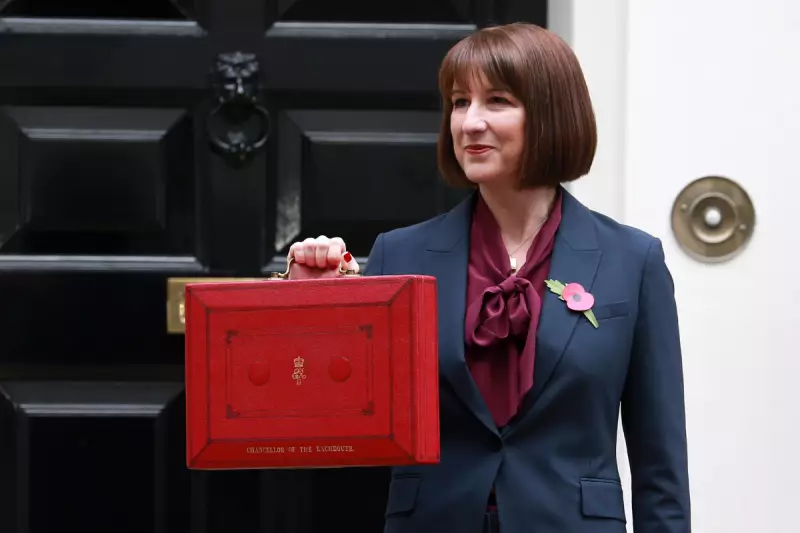
Chancellor Rachel Reeves's much-vaunted fiscal rules have been branded largely ineffective and a 'self-awarded badge of honour' in a damning new report that questions their ability to stabilise public finances.
Rules Fail to Impose Fiscal Discipline
The analysis, from Oxford Economics emerging markets analyst Yash Adwani, scrutinised data from 99 countries since the year 2000. It concluded that such rules make 'no discernible difference' to fiscal outcomes or government incentives.
Adwani argued that bond markets are more effective at imposing fiscal discipline than any government-mandated list of targets. He also questioned the International Monetary Fund's (IMF) long-standing encouragement for finance ministers to adopt these frameworks.

'Fiscal rules and reputation make no discernible difference to actions or incentives,' Adwani stated. He suggested governments often use them as 'self-awarded badges of honour' even while their economies deteriorate.
Credibility Can Lead to More Spending
The report uncovered a paradoxical effect. It found that countries with a better reputation for meeting fiscal forecasts over the prior three years often saw severe deteriorations in their primary balances.
Adwani explained that any minor incentive to reduce deficits created by rules is 'fully offset by opposing incentives to capitalise on any credibility earned to run more expansionary policies.' In essence, governments may tighten belts briefly to establish credibility, only to relax and spend more once rules are in place.
The study also revealed that having more fiscal rules did not correlate with better performance in managing public finances.
Reeves's 'Iron-Clad' Framework Under Fire
This critique lands as Chancellor Rachel Reeves faces intense scrutiny over her own fiscal rules, which she has described as 'iron-clad'. Her framework relies heavily on changing forecasts from the independent Office for Budget Responsibility (OBR).
The UK's fiscal position remains precarious, with high government borrowing costs. The OBR estimates debt interest payments will hit £113.7bn this year, soaring to £136.6bn by 2030—a sum exceeding the entire defence budget.
The report follows previous high-profile criticism. Former Bank of England Governor Mervyn King attacked Reeves's rules in a House of Lords address last year. He criticised their rolling basis, which ties the government to forward-looking OBR forecasts rather than fixed borrowing targets.
'The Chancellor of the Exchequer deserves sympathy for the difficult fiscal position which she inherited. But unfortunately her new fiscal rules are flawed,' King said, adding it was 'no way to manage public spending.'
Some within the Chancellor's own party have expressed concern. Labour backbenchers, including former transport secretary Louise Haigh, have warned that rigid fiscal rules can become an 'economic straitjacket', leading to 'managed decline dressed up as moderation.'






