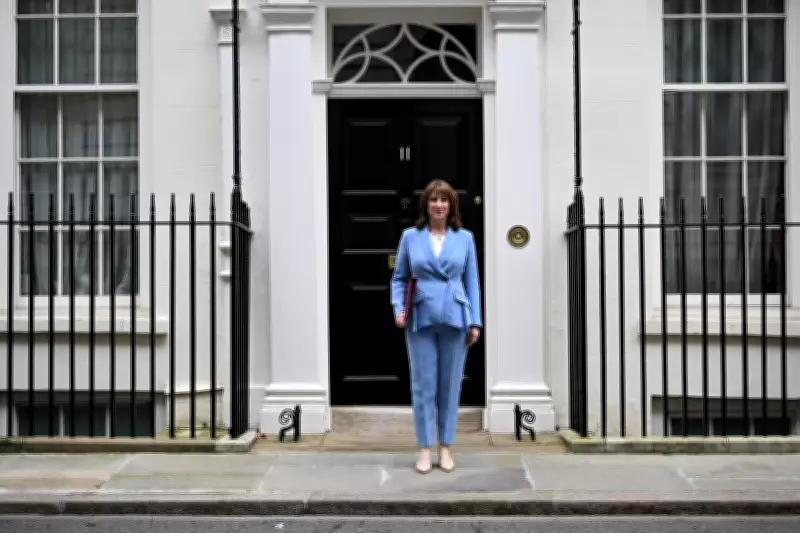
On Tuesday, March 3, 2026, Chancellor of the Exchequer Rachel Reeves delivered the government's Spring Forecast Statement to the House of Commons, marking a departure from tradition with its timing and content. The event, held at No. 11 Downing Street in London, England, was captured in photos by Leon Neal of Getty Images, showcasing Reeves as she outlined updates on the UK's economic plans. This statement successfully avoided immediate policy adjustments, providing the Chancellor with increased fiscal flexibility, yet significant risks from global conflicts and spending sustainability cast shadows over future stability.
Avoiding Policy Tinkering and Fiscal Surprises
The Treasury executed the Spring Statement with precision, fulfilling its promise of no new policy changes and breaking from the usual midweek schedule. This move realized a long-standing goal among officials to prevent the disruptions of a second fiscal event within the year. Additionally, with the Office for Budget Responsibility (OBR) currently lacking a chair and operating on one of the shortest intervals between forecasts, the economic figures presented few surprises. However, a downward revision in near-term growth has placed Chancellor Reeves under mounting pressure, prompting plans for an upcoming 'growth speech' focused on strengthening EU-UK ties.
Political Ambitions and Economic Realities
Within the Labour Party, there is growing confidence in the political feasibility of deepening relations with the European Union, with prospective leadership candidates likely to compete on this front. Nevertheless, negotiations with Brussels remain fraught with challenges, including contentious issues like the UK's status under 'Made in Europe' proposals. While migration forecasts were adjusted, the OBR is expected to revisit this topic in the autumn. On a positive note, rising equity prices contributed to a boost in receipts forecasts, allowing Reeves to highlight enhanced headroom against key fiscal rules.

Illusory Forecasts and Looming Dangers
Despite the temporary stability, the forecasts risk becoming illusory if the ongoing conflict in Iran leads to sustained economic impacts. Chancellor Reeves may have secured a 'stability day' for now, but problems are accumulating for the future. Another energy price shock could jeopardize planned fuel duty increases set for September, complicating government strategies. At the dispatch box, Reeves emphasized rejecting a return to austerity, yet OBR assumptions indicate a 4.4 percent annual decline in real terms for unprotected departments over the forecast's final two years.
Spending Pressures and Domestic Challenges
This revelation will likely surprise Cabinet Ministers and Labour MPs, posing a significant hurdle for the upcoming Spending Review. In the near term, Prime Minister and Chancellor face continued pressure to fund defence spending beyond 2.5 percent of GDP by 2027, especially given UK assets' exposure in the Middle East. Domestically, a review into student loans financing may emerge in the coming days or weeks, addressing lingering financial concerns. While these issues represent substantial challenges, they are deferred for another day, perhaps underscoring the statement's overarching intent to prioritize immediate calm over long-term solutions.
James Nation, managing director at Forefront Advisers, provides this analysis, highlighting the delicate balance between current fiscal headroom and future economic storms. The Spring Statement 2026 serves as a reminder that while stability can be achieved in the short term, proactive measures are essential to navigate the turbulent waters ahead.