Treasury Ignored DCMS Warnings on Gambling Tax Hike Before Budget Raid
Whitehall officials raised significant questions about the financial viability and potential consequences of a proposed gambling levy before Chancellor Rachel Reeves proceeded with substantial tax increases in the Autumn Budget. A Freedom of Information request obtained by Capital Post reveals that the Department of Culture, Media and Sport conducted analysis that directly challenged optimistic revenue projections put forward by external think tanks.
Unrealistic Revenue Projections
The DCMS analysis specifically addressed proposals from the Social Market Foundation and former Prime Minister Gordon Brown that suggested the gambling sector could contribute approximately £2 billion to Treasury coffers. Government officials described these revenue estimates as "unrealistic" and warned that actual returns would likely fall far short of these projections. The analysis further cautioned about potential negative consequences including job losses across the industry and a significant boost to illegal gambling operations.
One industry insider stated: "DCMS clearly warned the Treasury about the consequences of its gambling tax raid and they ignored it. Every job cut, lost sponsorship, every customer who switches to the illegal market – it's on them."

Budget Implementation Despite Warnings
Despite these warnings, Chancellor Reeves moved forward with substantial tax increases in the Autumn Budget. The remote gaming duty was increased dramatically from 21 percent to 40 percent – a rate closely aligned with what the Social Market Foundation had proposed. Additionally, a new general betting duty was established at 25 percent, scheduled to take effect next year.
The Office for Budget Responsibility subsequently estimated that the new gambling taxes would raise approximately £1.1 billion – a figure representing only about half of the gains initially projected by the Social Market Foundation. It's important to note that the think tank's proposal included additional measures not implemented in the final reforms, including higher rates for the remote gaming duty and increases to the horserace betting levy.
Industry-Specific Concerns
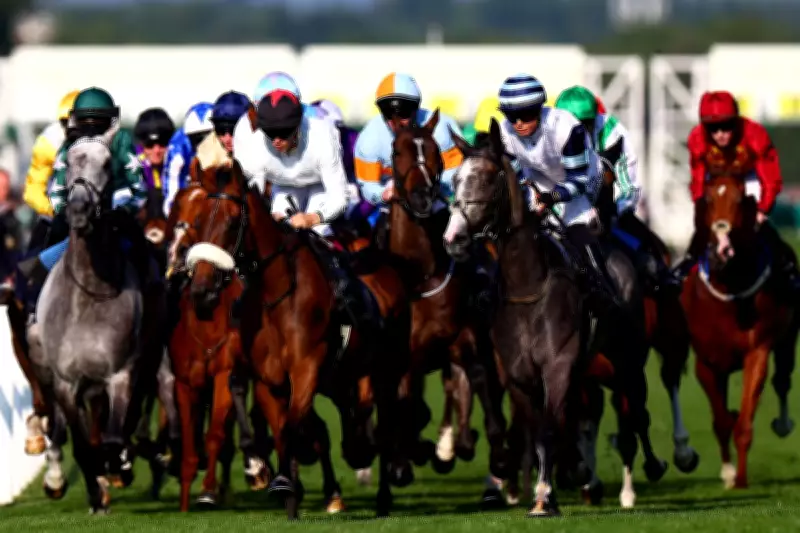
The released documents reveal particular concerns about the horseracing industry. DCMS analysis indicated that "an increase to sports betting duties would significantly damage horseracing due to the low margins the industry receive on racing." The documents further noted that unless specific tax carve-outs for racing were accompanied by corresponding increases to the Horse Racing Levy, the racing industry would be unlikely to benefit from any potential savings.
The analysis explicitly stated: "Without this there is no way of ensuring that tax savings are ring-fenced by operators to support racing."
Behavioral Effects and Market Instability
OBR officials added another layer of concern, noting that behavioral responses to the tax changes remained "uncertain," potentially leaving future tax receipts on unstable ground. The fiscal watchdog suggested that various behavioral effects – including bettors turning to black market operators, companies passing costs onto consumers, and product redesigns to avoid higher levies – could strip approximately £700 million from the total tax gains.
A spokesperson for the Betting and Gaming Council commented: "This Freedom of Information release shows that, ahead of the Chancellor's Budget, DCMS officials themselves raised serious concerns about the claims made in the Social Market Foundation report and questioned whether the revenues being suggested would ever materialise."
The spokesperson continued: "DCMS clearly shared the industry's concerns that sharp tax rises could reduce investment, put jobs at risk and push some customers away from the regulated market towards harmful illegal operators, yet despite these warnings the Treasury chose to press ahead."
Both DCMS and the Treasury were approached for comment regarding these revelations. The documents highlight a significant disconnect between departmental analysis and final policy decisions in the lead-up to the Autumn Budget's gambling tax reforms.