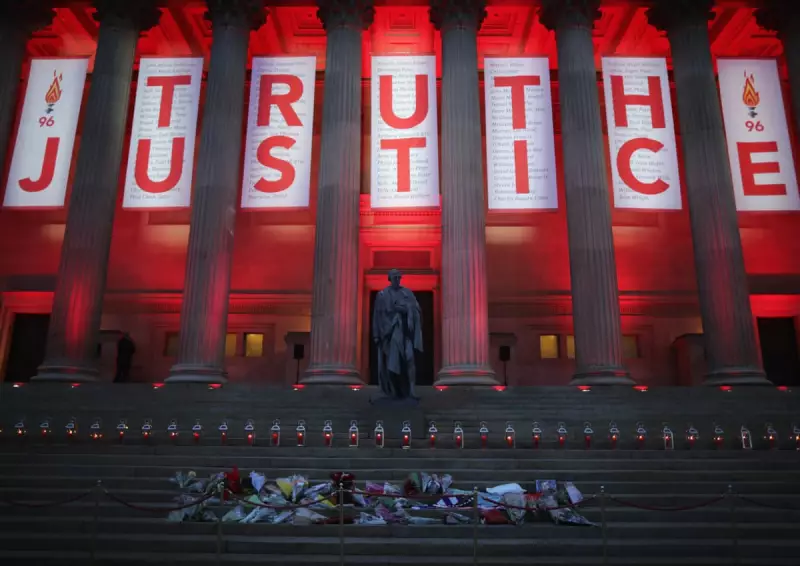
The government has postponed the final parliamentary stages of the proposed Hillsborough Law, as ministers seek a compromise over concerns that it provides too much protection for serving intelligence officers.
Compromise Sought on Duty of Candour
The bill, formally known as the Public Authorities (Accountability) Bill, aims to impose a statutory duty of candour on public officials and contractors, compelling them to tell the truth following major disasters. However, a significant dispute has arisen over its application to individual employees of the UK's intelligence agencies, including MI5 and MI6.
Campaigners and MPs argued that initial government proposals went too far in shielding intelligence officers who might mislead public inquiries. In response, ministers tabled a series of amendments last Friday, but further changes are now being considered after warnings that victim support was at risk.

Pressure from Victims and MPs
More than 20 Labour MPs, including Merseyside representatives Ian Byrne and Anneliese Midgley, backed amendments to place explicit candour duties on intelligence officers. The bill was scheduled for a Commons return on Wednesday but has now been delayed until next week.
This pressure intensified last week when families of the 2017 Manchester Arena bombing victims wrote to Sir Keir Starmer. In their letter, first reported by the BBC, they insisted Security Service officers must not be exempt from the new law.
The families highlighted that the public inquiry found the attack, in which Salman Abedi killed 22 people, could have been prevented if MI5 had acted on crucial intelligence. "MI5 failed our loved ones and failed us," they wrote. "During the Manchester Arena inquiry, MI5 lied about the key intelligence it held about the suicide bomber before the attack. Despite MI5 lying to a public inquiry in this way, no one has been held to account."
Government Balances Candour and Security
On Tuesday, the Prime Minister's official spokesperson confirmed the delay, stating the government was determined to "get this right." While acknowledging the need for change, the spokesperson emphasised that national security could not be compromised.
"This government will not bring forward legislation that would put the national security of the UK or lives at risk," the spokesperson said. "We continue to listen to stakeholders on all sides of the debate, to make sure the bill strikes the careful balance that’s required."
The government asserts that the law will still impose new duties on the intelligence services as organisations, preventing them from misleading or evading inquiries. However, campaigners and MPs maintain that the duty must apply to individual officers, with agency leaders also bearing full responsibility for institutional candour.
The outcome of the delayed negotiations will be closely watched by bereaved families from Hillsborough, the Manchester Arena, and other major disasters who have long campaigned for greater transparency and accountability from public authorities.