Royal Navy Under Fire for HMS Dragon's Delayed Mediterranean Deployment
The Ministry of Defence is facing mounting criticism over the delayed deployment of HMS Dragon to Cyprus, where the Type 45 destroyer is tasked with defending a British military base from potential Iranian attacks. Despite government assurances a week ago that the Portsmouth-based warship would be dispatched promptly, it remains docked, with estimates suggesting it could take five additional days or more to reach its destination.
"Herculean" Efforts Amid Naval Resource Constraints
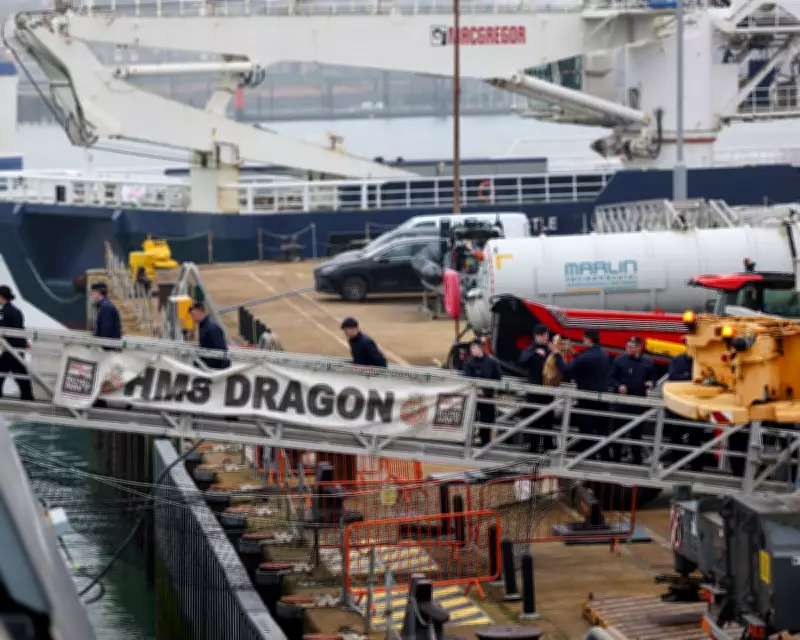
Defence Secretary John Healey informed the House of Commons on Monday that Royal Navy crews were working "tirelessly, 22 hours a day" to prepare HMS Dragon for deployment, promising it would set sail within "a couple of days." MoD sources describe the preparation efforts as herculean, with a process typically requiring six weeks being nearly completed in just six days.
Matthew Heaslip, senior lecturer in naval history at the University of Portsmouth, highlighted the Royal Navy's strained resources. "The UK doesn't have any air defence other than the Royal Air Force and some short-range missiles," Heaslip explained. "If you've got three of your six destroyers in deep maintenance, and three available, you need one ready in UK waters at any time for nominal coverage."

Complex Readiness Procedures Explained
The delay stems from HMS Dragon's initial status: last week, it was in dry dock undergoing scheduled repairs for a NATO mission. Experts note that a destroyer in high readiness can deploy within five days, but HMS Dragon required extensive preparation:
- Undocking Process: The ship needed re-floating from dry dock, involving hours of water introduction and careful towing by tugboats, coordinated with tidal patterns.
- Re-rolling and Armament: Significant equipment modifications were necessary for the new mission type, including loading the Sea Viper air defence system capable of intercepting 16 missiles and drones simultaneously.
- Logistical Challenges: Approximately 80 crates of food, fuel, munitions transported from Gosport, and other supplies had to be boarded, alongside assembling around 200 personnel, some returning from leave or training.
MoD sources indicate these steps, estimated to take five days, were completed in four, despite foggy conditions complicating operations.
Union Claims and Operational Disputes
The union Prospect has alleged that a new contract with Serco, managing in-port services, slowed the process due to restricted working hours (9am-5pm weekdays), making urgent mobilisation harder. Both the MoD and Serco deny these claims, with an MoD spokesman stating: "Staff are stepping up to support the operation, and all requests to Serco have been fulfilled."
Heaslip emphasised the broader implications: "A huge amount is being asked of the Royal Navy at this point in time, all of which is defensive. We don't have the resources right now to engage in conflicts like a war in Iran." The situation underscores ongoing debates about naval capabilities amid budget constraints and global security demands.