Iran's President Addresses Nuclear Program and Protest Crackdowns
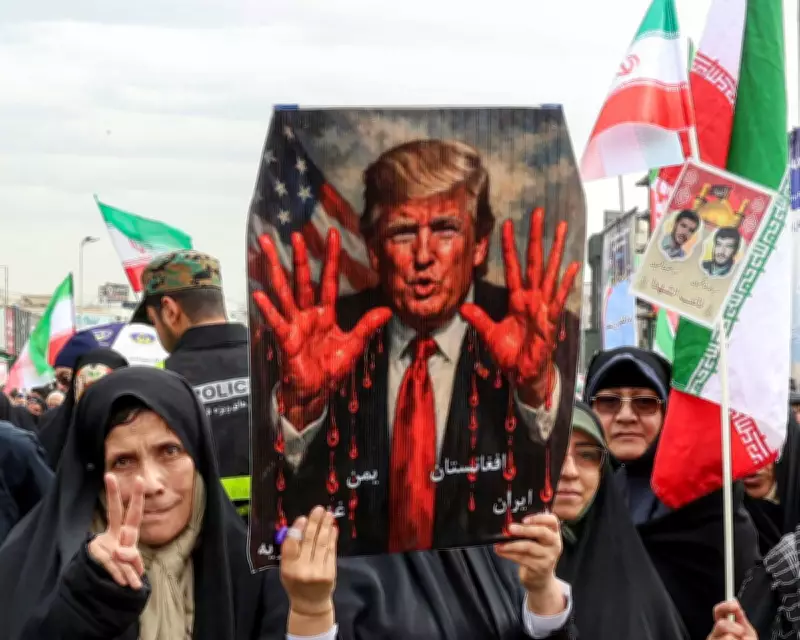
President Masoud Pezeshkian of Iran publicly denied that his nation seeks nuclear weapons while expressing profound shame over the government's recent violent suppression of mass protests. These remarks were delivered during nationwide gatherings commemorating the 45th anniversary of the 1979 Islamic Revolution, where state television broadcast images of pro-government rallies featuring American flag burnings and chants of "death to America."
Nuclear Negotiations and Regional Tensions
The president's speech unfolded against a backdrop of delicate negotiations with the United States, which currently hang in the balance with military confrontation remaining a possibility. Pezeshkian emphasized Iran's willingness to engage in dialogue about its nuclear program and submit to verification processes, insisting the country has no intention of developing atomic weapons. However, he criticized what he called "the high wall of mistrust" erected by the United States and European nations through past actions, which he claims obstructs productive talks.
Meanwhile, the International Atomic Energy Agency has faced months of obstacles in inspecting and verifying Iran's nuclear stockpile, creating additional complications for diplomatic efforts. Iranian military leadership has repeatedly asserted readiness to confront and defeat American forces if necessary.

Protest Aftermath and Political Fallout
While not directly addressing the violent crackdowns that rocked Iran earlier this year, President Pezeshkian acknowledged "great sorrow" and stated authorities were "ashamed before the people" regarding those harmed during the protests. He pledged that the government stands ready to "hear the voice of the people" and serve those affected, describing officials as "servants of the people" rather than adversaries.
Despite these conciliatory words, Pezeshkian declined to support appeals from reformist party leaders demanding the release of recently arrested opposition figures. The Reform Front warned that failure to advocate for their liberation would constitute a betrayal of campaign promises and damage prospects for peace. Lawyers representing detained reformists report their clients are being held in solitary confinement, while security-aligned media outlets accuse them of sedition for attempting to organize a national conference calling for political change.
Anniversary Events Reveal Divided Nation
The revolution anniversary commemorations presented contrasting images of Iranian society. Alongside state-sponsored rallies featuring hundreds of thousands of participants, witnesses reported hearing shouts of "Death to the dictator!" emanating from homes in Tehran the previous night. Circulating photographs showed empty school desks adorned with red roses memorializing children killed during protests, with a teachers' union estimating 213 child fatalities.
Defense Minister Brigadier General Aziz Nasirzadeh praised what he called uniquely passionate attendance at anniversary marches, claiming such participation "is more powerful than any bomb or missile." Other regime figures used the occasion to reaffirm ideological positions, with Supreme Leader representative Ali Shamkhani asserting that Iran's ballistic missile program remains non-negotiable in talks with the United States.
Diplomatic Maneuvering Intensifies
As anniversary events proceeded, Iranian diplomats worked to counter Israeli Prime Minister Benjamin Netanyahu's efforts to harden the U.S. negotiating position ahead of his White House meeting with former President Donald Trump. An Iranian foreign ministry spokesperson indicated readiness to discuss reducing uranium enrichment levels, while maintaining that ballistic missiles constitute a separate defensive matter outside current negotiation parameters.
Secretary of Iran's Supreme National Security Council Ali Larijani conducted diplomatic shuttle missions to Qatar and Oman, attempting to craft responses to American demands that respect Iran's red lines while keeping dialogue viable. Larijani suggested that successful negotiations on Iran's civil nuclear program could potentially expand to address other bilateral disputes with the United States in the future.

The diplomatic landscape remains volatile, with Trump having previously mentioned deploying additional aircraft carriers to the Middle East should talks with Tehran collapse. The coming weeks will determine whether Iran's expressions of nuclear transparency and regret over protest violence translate into substantive diplomatic progress or further regional escalation.