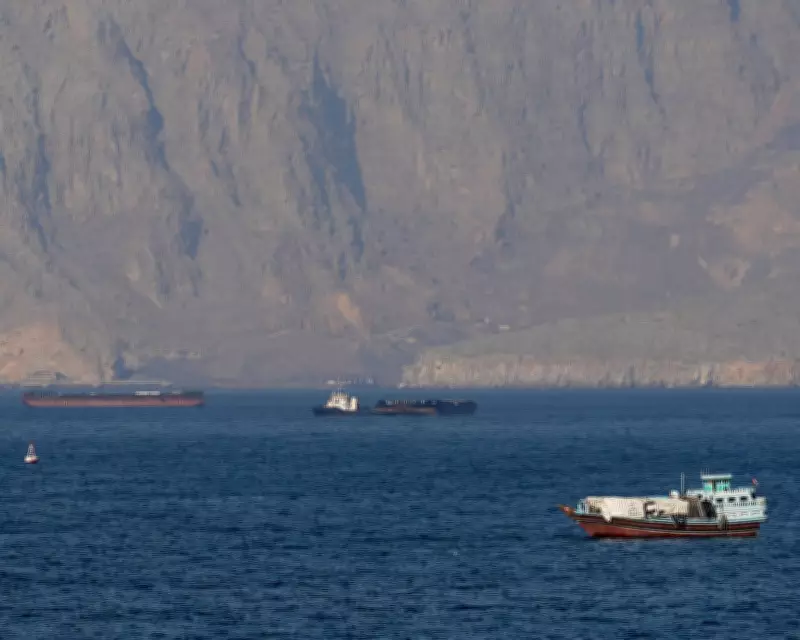
Heightened Tensions in the Strait of Hormuz as Iran and US Face Off
Military tensions have escalated dramatically in the strategic Strait of Hormuz, with Iran and the United States engaging in a high-stakes standoff that threatens to destabilize the entire Middle East region. This critical waterway, through which approximately one-fifth of the world's oil passes, has become a focal point of international concern as both nations deploy naval assets and issue stark warnings.
Regional Crisis Deepens with Broader Implications
The confrontation in the Strait of Hormuz is unfolding against a backdrop of ongoing crises involving Israel and Lebanon, further complicating the geopolitical landscape. Analysts warn that any miscalculation in the strait could trigger a wider conflict, potentially drawing in regional actors and disrupting global energy supplies. The situation remains fluid, with diplomatic channels strained and military posturing intensifying by the day.
Trump Administration's Role in Current Standoff
Former President Donald Trump's policies toward Iran continue to influence the current dynamics, with his administration's "maximum pressure" campaign having left a legacy of heightened animosity. The Biden administration now faces the challenge of navigating these inherited tensions while attempting to prevent an outright military clash. Strategic experts emphasize that the strait's narrow geography makes it particularly vulnerable to blockades or incidents that could escalate rapidly.

Global Oil Markets on Edge
Energy markets are reacting nervously to the developments, with oil prices experiencing volatility as traders assess the risk of supply disruptions. The Strait of Hormuz serves as a crucial chokepoint for crude exports from the Persian Gulf, meaning any sustained closure or conflict could have severe economic consequences worldwide. Shipping companies are already implementing contingency plans and rerouting vessels where possible.
Diplomatic Efforts and Future Outlook
International diplomatic efforts are underway to de-escalate the situation, with European and Asian nations particularly concerned about energy security. However, the fundamental disagreements between Iran and the US over nuclear programs, regional influence, and sanctions make resolution challenging. Observers note that the coming weeks will be critical in determining whether the standoff can be resolved peacefully or if the Middle East is headed toward another major confrontation.