

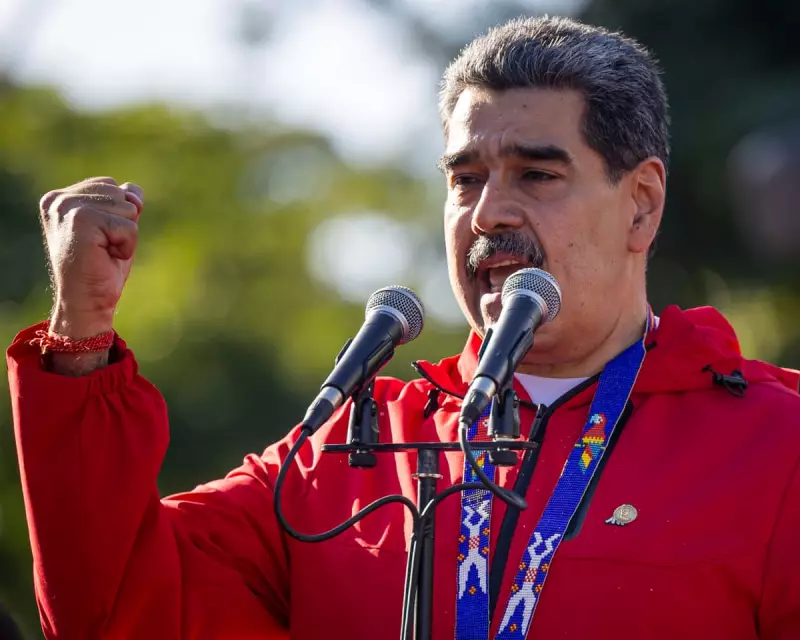
The deposed Venezuelan president, Nicolás Maduro, is due to appear before a federal court in Manhattan this Monday afternoon, facing a series of serious drugs and weapons charges. This follows his dramatic and highly controversial capture by United States Special Forces during a military assault on Caracas over the weekend.
A Deadly Dawn Raid in Caracas
The arrest of Maduro and his wife, Cília Flores, occurred during a shocking pre-dawn raid on a compound on Saturday. The New York Times reported that the assault resulted in the deaths of at least 40 people, a figure which included both civilians and members of the Venezuelan military. This military action marks a significant escalation in the long-running pressure campaign by the US against Maduro's government.
According to the charging documents, Maduro is accused of leading a "corrupt, illegitimate government" that used state power to protect and promote illegal activities, including international drug trafficking. His son and three other individuals are also named in the indictment. The specific charges Maduro faces include conspiracy to commit narco-terrorism, conspiracy to import cocaine, and conspiracy to possess machine guns and destructive devices.

Months of Escalating Tensions
The weekend's events were preceded by months of increasing US pressure. American forces had previously conducted strikes on vessels alleged to be "narco boats," operations which human rights groups and some legal experts suggest may constitute war crimes, having resulted in at least 110 fatalities. In the weeks leading up to the raid, the US also seized sanctioned oil tankers off Venezuela's coast.
Former President Donald Trump established a naval blockade to prevent other such vessels from trading, a move that further crippled the oil-rich nation's struggling economy. Trump, who had previously vowed to avoid foreign wars, addressed the situation from his Mar-a-Lago resort in Florida. "We will run the country until such time as we can do a safe, proper and judicious transition," he stated, adding that the US could not risk someone else taking over who did not have Venezuela's interests in mind.
Political Backlash and Uncertain Future
Trump's decision to authorise military action has sparked fierce condemnation from top Democrats in the US, who labelled the attack illegal and contrary to national interests. They highlighted that the US Constitution grants only Congress the power to declare war. Senator Chris Murphy accused the administration of lying to Congress during a December briefing, stating they had framed the operation as a counter-narcotics mission, not one of regime change.
Trump further outlined plans for the US to take control of Venezuela's oil industry, suggesting major American oil companies would invest billions to repair infrastructure. However, the practicalities of administering Venezuela remain unclear. American forces do not control the country, and Maduro's government appears to still be functioning. Trump indicated he was "designating various people" for leadership roles and was not opposed to deploying ground troops, remarking, "We're not afraid of boots on the ground if we have to."
As Maduro prepares for his day in court, the fallout from the raid continues to unfold, raising profound questions about international law, US foreign policy, and the future of Venezuela.






