A one-way attack drone has struck RAF Akrotiri in Cyprus, causing limited damage to the airport's runway, according to the UK Ministry of Defence. The incident, which occurred amid escalating hostilities in the Middle East, resulted in no casualties, but authorities have initiated precautionary measures, including relocating families and non-essential staff from the base.
Immediate Response and Evacuation
Foreign Secretary Yvette Cooper confirmed the strike, emphasizing that all necessary precautions are being taken to ensure safety. In response, the base announced the temporary relocation of families to alternative accommodation on the island, with a Ministry of Defence spokesperson stating, "The safety of our personnel and their families is our absolute priority." The move follows sirens and aircraft activity at the base, as reported by Cyprus's state broadcaster CyBC.
Interception and Additional Threats
Cyprus's government later revealed that two unmanned drones heading towards RAF Akrotiri were successfully intercepted. Concurrently, Paphos airport, located approximately 60 kilometers from Akrotiri, evacuated its passenger terminal after radar detected a suspect object, highlighting the heightened security concerns in the region.

Details of the Attack
Cyprus President Nikos Christodoulides identified the drone as a Shahed-type unmanned aerial vehicle, an Iranian-made model known for its use in conflicts such as the war in Ukraine. The origin of the drone remains unclear, and the UK government has not yet confirmed its source. This attack marks the first on the RAF facility since a 1986 rocket assault by Libyan militants.
Military Preparations and Context
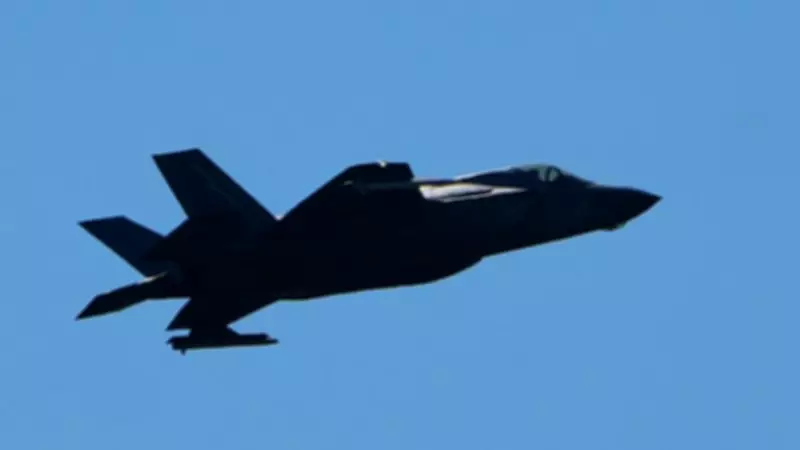
Prior to the incident, the UK armed forces had been deploying additional resources to Cyprus, including counter-drone systems, F-35 jets, and radar systems, described by the MoD as purely defensive measures. The strike occurred hours after Prime Minister Keir Starmer disclosed that the UK permitted the US to strike Iranian missile sites from select British bases, such as RAF Fairford and Diego Garcia.
Political Reactions and Broader Conflict
The Liberal Democrats warned of a "slippery slope" that could involve the US dragging Britain into another prolonged Middle East war. Hostilities in the region have entered their third day, with the US and Israel continuing strikes against Iran following the death of Supreme Leader Ayatollah Ali Khamenei. An estimated 200,000 British nationals, including military personnel, are at risk in the Gulf as tensions escalate.
Cyprus authorities remain on full alert, with President Christodoulides reiterating that the territory does not participate in military operations. The MoD continues to monitor the situation, ensuring that base operations proceed normally to protect British interests.