RAF Airbase in Cyprus Targeted Following UK Decision on US Military Access
In a rapidly escalating situation, the Royal Air Force Akrotiri base in Cyprus has been struck by a suspected drone attack, occurring mere hours after Foreign Secretary Yvette Cooper publicly confirmed that the United Kingdom has granted the United States permission to utilize British military installations for defensive operations against Iranian missile sites.
Cooper Defends "Defensive Action" Decision Amid Base Attack
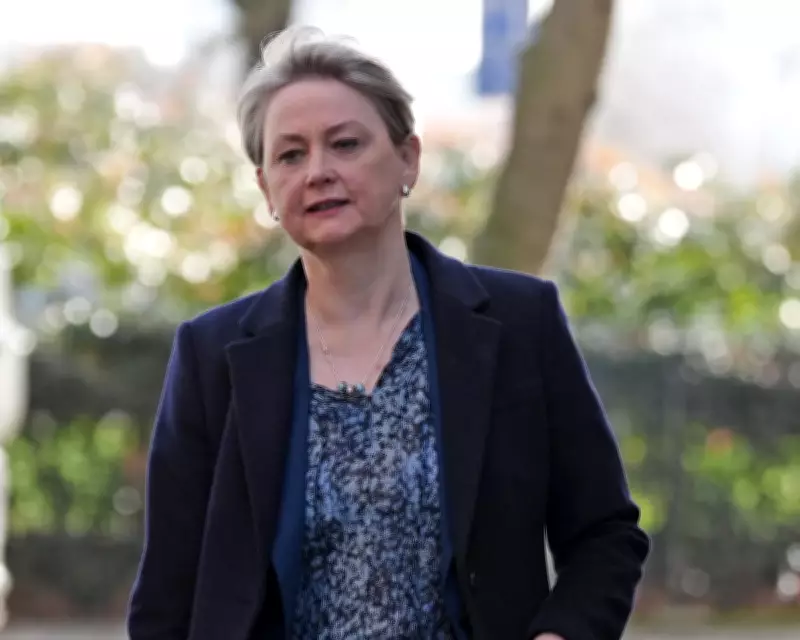
Foreign Secretary Yvette Cooper, appearing on multiple morning television programs including BBC Breakfast, provided confirmation of the strike on the Cyprus-based RAF facility while simultaneously defending the government's controversial decision regarding US military access. Cypriot authorities and the UK Ministry of Defence have reported that the incident resulted in no casualties and only limited structural damage.
Cooper emphasized that the agreement with the United States is strictly limited to defensive measures aimed at protecting the Gulf region from Iranian ballistic missile threats. "We made a deliberate decision to not provide support for the US strikes that have been taking place over the weekend," Cooper stated during her BBC Breakfast appearance. "We have continued to take the view that we wanted to see diplomatic progress and negotiated agreement around this threat from Iranian nuclear weapons."

Protecting British Citizens in the Gulf Region
The Foreign Secretary highlighted the urgent security concerns driving the decision, noting that approximately 300,000 British citizens currently reside in Gulf countries that have become targets of Iranian missiles and drone attacks. "That is why we are providing support for defensive action," Cooper explained. "It's important to say that the UK is not going to be involved directly in those strikes, but are providing support. This is about ballistic missiles and launches that are pointed at the Gulf."
Cooper repeatedly stressed the limited nature of the agreement, clarifying that "It is only about defensive action around the Gulf. It is not about support for any political or economic or broader infrastructure targets. There's a clear difference there."
Evacuation Plans for British Nationals
During her media appearances, Cooper fielded numerous questions regarding evacuation protocols for British citizens stranded in affected Gulf nations. The Foreign Secretary revealed that 102,000 British nationals have officially registered their presence in the region, with many unable to return home due to closed airspace and grounded commercial flights.
"We're saying to people, the most important thing at the moment is to follow the local advice, which in most places is around sheltering in place," Cooper told Sky News. "We are sending out rapid deployment teams to the region to work with the travel industry, to work with local governments as well, to make sure that citizens can get support."
The government is coordinating with airlines, travel companies, and regional governments to facilitate the safe return of British citizens. "Of course, we want people to get safely home as swiftly as possible," Cooper added during her interview with ITV's Good Morning Britain, outlining comprehensive efforts to assist those affected by the escalating regional tensions.