The Illuminating Crisis: Britain's Military and Economic Reality Check
The harsh light of international conflict has once again exposed fundamental weaknesses in Britain's strategic posture. As the Middle East war unfolds, it reveals not just geopolitical tensions but profound domestic vulnerabilities that should leave the nation both concerned and introspective.
Military Readiness Under Scrutiny
The nature of Keir Starmer's government has been laid bare through its response to international crises. While Britain's principal ally requested assistance, the administration appeared preoccupied with technicalities of international law rather than decisive action. Behind the scenes, briefings suggest Starmer showed more willingness to accommodate President Trump's request to utilize British bases than his pacifist cabinet colleagues, who effectively constrained his options.
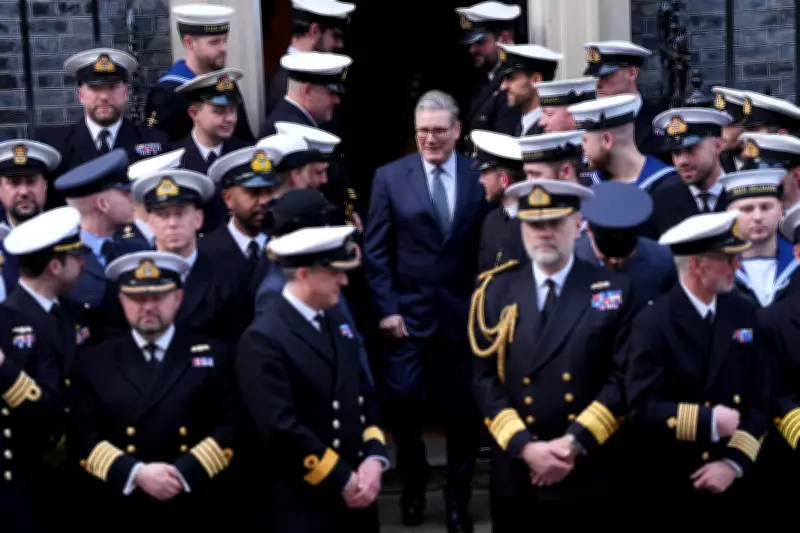
More alarming is the actual state of Britain's armed forces. When Cyprus required protection—including Britain's own base on the island—it was French and Greek naval assets that arrived swiftly. Meanwhile, one of Britain's few remaining destroyers remains docked in Portsmouth, unable to deploy due to readiness issues. The situation is compounded by dockyard operations limited to standard business hours under cost-cutting Ministry of Defence contracts.

While Britain maintains global naval deployments from the Caribbean to Australia, this widespread presence makes the inability to respond to emerging emergencies particularly telling. The looming crisis had been visible for weeks, if not months, yet response capabilities proved inadequate.
Economic Vulnerabilities Exposed
As global economies reel from surging oil prices, stock market volatility, and inflationary pressures, Britain's policy obsessions and fiscal fragilities stand exposed. The Net Zero commitment, enacted with minimal debate during Theresa May's tenure, now appears particularly problematic as energy security concerns mount.
Economic analysts note the current crisis could be brief if conflict eases and oil flows resume normally. However, a prolonged war threatening critical energy infrastructure presents a horrifying scenario that makes Labour's decision to tax the North Sea oil and gas sector appear even more misguided than before the latest chaos erupted.
The Conservative legacy shares blame for this lamentable situation. With borrowing costs spiking higher than European counterparts, the government's high-tax, high-welfare, low-growth model tests both investor patience and credibility. Claims from Starmer and Chancellor Rachel Reeves about having fixed economic foundations and preparedness for the storm ring hollow against years of accumulated complacency.
The Broader Implications
This convergence of military inadequacy and economic vulnerability represents more than temporary setbacks. It reflects systemic issues in strategic planning and policy implementation that transcend any single administration. The cold wind of reality has blown away comforting myths about Britain's global standing and domestic resilience, revealing uncomfortable truths about capability gaps and policy missteps that will require substantial effort to address.