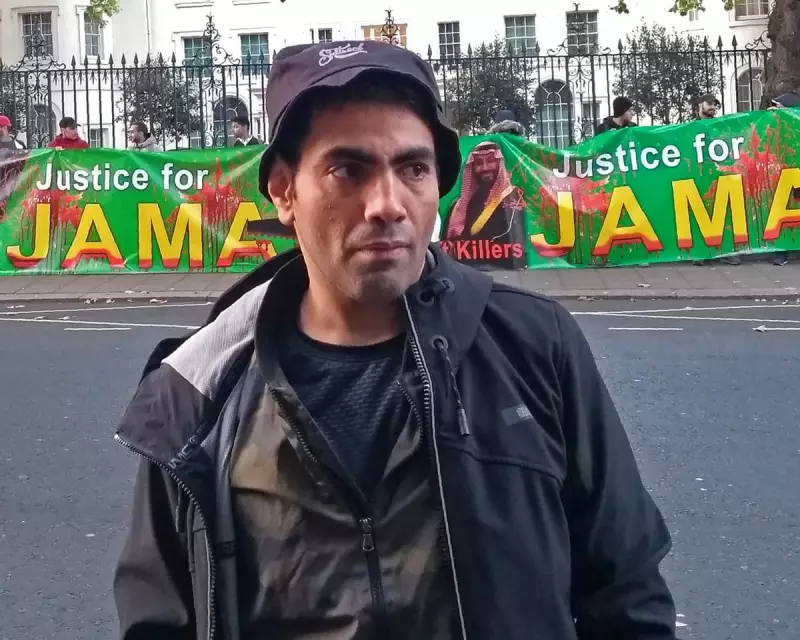
In a landmark legal decision, Saudi Arabia has been ordered by the UK high court to pay more than £3 million in damages to a London-based dissident, Ghanem al-Masarir, for the hacking of his mobile phones using Pegasus spyware and for a physical assault on him in the capital.
Court Finds Saudi Arabia Responsible for Intrusive Actions
Judge Pushpinder Saini delivered the judgment on Monday, concluding that there is a compelling basis to hold the Kingdom of Saudi Arabia (KSA) accountable for directing or authorising the hacking of al-Masarir's iPhones with Pegasus spyware. This resulted in the unauthorised extraction of data from his devices. Additionally, the judge found, on the balance of probabilities, that Saudi Arabia was responsible for a physical attack on al-Masarir outside Harrods in central London in 2018.
Background of the Case and the Victim
Ghanem al-Masarir, a 45-year-old satirist also known as Ghanem al-Dosari, has lived in England since 2003 and runs YouTube channels that have amassed over 300 million views. The court heard that his public criticism of the Saudi government provided a clear motivation for the state to target him. Judge Saini described Saudi Arabia's actions as "grossly intrusive" and unjustified, noting that the spyware effectively turned his smartphones into bugging devices, secretly transmitting vast amounts of personal data to a hostile state.

Impact on al-Masarir and Legal Proceedings
The ruling brings a long and painful chapter to a close for al-Masarir, who stated that it affirms the value of standing up for truth against powerful opponents. He expressed hope that Saudi Arabia will comply with the judgment without further enforcement action. The court was informed that seven years after being targeted, al-Masarir continues to suffer from severe depression, is unable to work or perform basic daily activities, and rarely leaves his home.
Saudi Arabia had attempted to have the case dismissed on grounds of state immunity, but this argument was rejected by the high court in 2022. After losing an appeal, the kingdom ceased participation in the proceedings. This ruling represents a rare legal setback for Saudi Arabia, contrasting with other cases such as a US lawsuit against Crown Prince Mohammed bin Salman over Jamal Khashoggi's murder, which was dismissed due to sovereign immunity.
Expert Analysis and Broader Implications
The hacking was confirmed after analysis by the Citizen Lab in 2018, which identified Pegasus spyware, manufactured by the Israeli company NSO Group, on al-Masarir's devices. Sapna Malik, a partner at Leigh Day law firm representing al-Masarir, said the judgment vindicates their client for holding Saudi Arabia to account, highlighting the profound and lasting impact of the intrusive conduct.
Ron Deibert, founder and director of the Citizen Lab, applauded the ruling, noting that it provides an avenue for justice for victims of targeted espionage and transnational repression. He emphasised that al-Masarir's experiences mirror those of citizens worldwide targeted by autocratic governments using sophisticated spyware tools to silence dissent.
This case underscores the growing legal challenges faced by states engaging in cyber espionage and highlights the UK's role in offering recourse for individuals affected by such actions.