

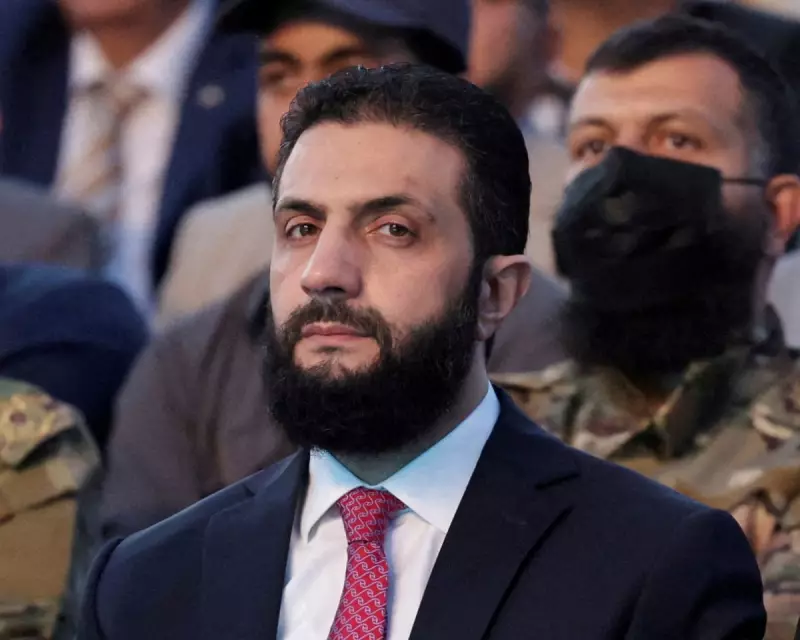
In a significant geopolitical development, Syria has announced its intention to join the United States-led coalition fighting against Islamic State militants. The move comes as Syrian security forces conduct widespread preemptive operations targeting ISIS cells across the nation.
Nationwide Security Operations
Syrian interior ministry officials confirmed on Saturday that security forces had executed 61 separate raids targeting suspected Islamic State operatives. These coordinated operations resulted in the arrest of 71 individuals and the seizure of substantial weapons and explosives caches.
The spokesperson for Syria's interior ministry provided these details during an interview with state-run Al Ekhbariya television, describing the actions as necessary preventive measures against potential terrorist threats. The timing of these raids appears strategically significant, occurring just before a planned high-level diplomatic visit to Washington.

Diplomatic Breakthrough Forged in Common Cause
Syrian President Ahmed al-Sharaa is scheduled to travel to Washington for direct talks with US President Donald Trump. The central agenda item involves formalising Syria's participation in the international coalition combating Islamic State extremists.
This diplomatic engagement represents a notable shift in US-Syrian relations, which have been historically complex. The discussions are expected to address not only counter-terrorism cooperation but also broader regional security arrangements.
Expanding US Military Presence in Damascus
According to six sources familiar with the matter who previously spoke to Reuters, Washington is preparing to establish a military presence at a Damascus airbase. This deployment would support a security agreement being brokered by the United States between Syria and Israel.
A US administration official previously indicated that Washington continuously evaluates its military posture in Syria to ensure effective operations against Islamic State remnants. The potential base establishment signals a longer-term commitment to regional stability.
The US State Department and Pentagon had not immediately responded to requests for comment regarding these developments. However, the coordinated security actions and planned diplomatic engagement suggest a significant realignment in Middle Eastern counter-terrorism strategy.
This collaboration between former adversaries against a common enemy underscores the evolving nature of security threats in the region and the pragmatic approaches being adopted to address them.






