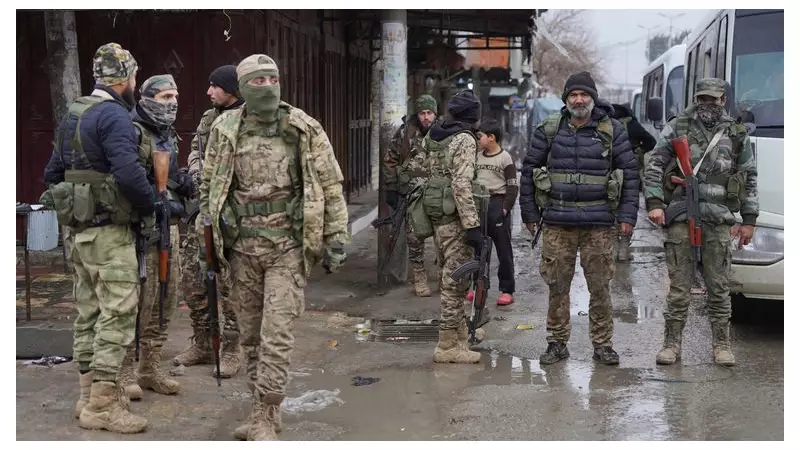
Syrian government forces have captured the nation's largest oil field and a significant gas field following a major military advance against US-backed, Kurdish-led troops. The offensive, which continued despite direct calls from Washington to halt, represents a significant shift in control of vital energy resources in northeast Syria.
Key Territories Captured in Rapid Advance
The Syrian army took control of the Omar oil field, located east of the Euphrates River, dealing a severe blow to the Kurdish-led Syrian Democratic Forces (SDF). This field had been a crucial source of revenue for the semi-autonomous region administered by the SDF. In the same push, government troops also seized the Conoco gas field in the eastern Deir Zor province.
Furthermore, the army extended its control to the northern city of Tabqa and its adjacent dam, as well as the major Freedom Dam, west of Raqqa. These gains were secured late on Saturday, 18 January 2026, following the withdrawal of SDF fighters from the area.

International Reactions and Violated Agreements
The advance prompted immediate international concern. US Central Command chief Brad Cooper publicly urged Syrian troops on Saturday to "cease any offensive actions" in areas between Aleppo and Tabqa. The US, which has supported the SDF in the fight against Islamic State, faces a complex recalibration of its Syria policy under the new presidency of Ahmed al Sharaa.
French President Emmanuel Macron added his voice on Sunday, stating he had spoken to President Sharaa to express concern over the offensive against Western-backed Kurdish forces and called for a permanent ceasefire.
The SDF accused the Syrian army of violating an initial withdrawal agreement, claiming government forces pushed further east into towns and oilfields not included in the deal. The Syrian army stated four of its troops were killed in attacks by Kurdish militants, while the SDF also reported casualties.
Deepening Fractures and Strategic Implications
This latest violence deepens the rift between Damascus and local Kurdish authorities, who are wary of Sharaa's Islamist-led administration. President Sharaa had previously stated it was unacceptable for a militia to control a quarter of the country and its main oil resources, vowing to reunify Syria after 14 years of war.
The offensive was enabled after Kurdish-led forces were overwhelmed by offensives from Arab tribal fighters, allowing government and tribal allies to move into a stretch of territory over 150km long, from near the Iraqi border towards key towns. This shift marks a significant consolidation of state control over strategic energy assets, which officials say were depriving the central government of much-needed revenue.