UK Bolsters Arctic Defence with Major Troop Increase in Norway
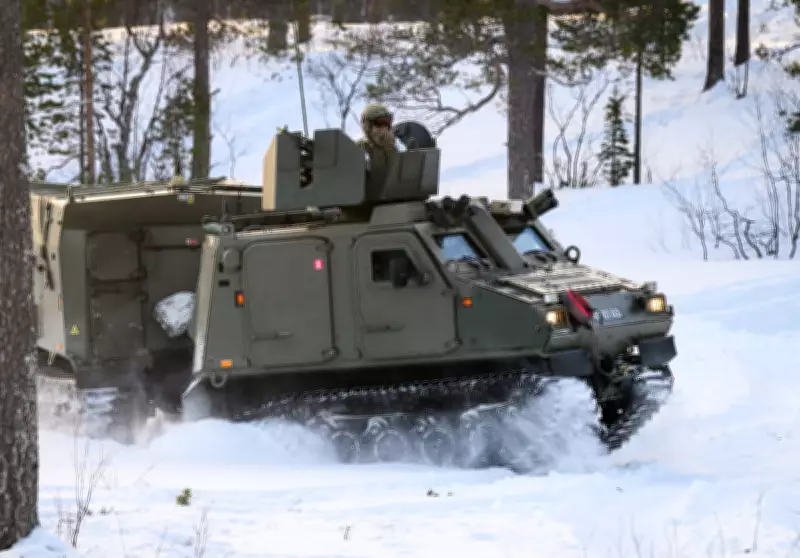
In a significant move to counter growing Russian military activity, the United Kingdom has pledged to double its troop presence in Norway over the next three years. Defence Secretary John Healey made the announcement during a visit to Royal Marines stationed at Camp Viking in the Norwegian Arctic, confirming that the number of British personnel deployed will rise from 1,000 to 2,000.
Addressing the Russian Resurgence in the High North
Healey emphasised the escalating demands on defence, stating that Russia now poses the greatest threat to Arctic and high north security witnessed since the Cold War. He highlighted that President Vladimir Putin is rapidly re-establishing a military presence in the region, including the reopening of old Cold War bases. This deployment is part of broader efforts to bolster NATO's defences in the strategically vital Arctic area.
The UK will also commit forces to NATO's Arctic Sentry mission, an alliance initiative designed to improve regional security. This move is seen as helping to address concerns, including those previously raised by figures like Donald Trump regarding Greenland, by strengthening collective defence capabilities.

Broader Context of the Ukraine Conflict
The reinforcement of Arctic defences comes as former head of the British armed forces, General Sir Nick Carter, called for enhanced European cooperation to deter Russia and support Ukraine. Meanwhile, the conflict in Ukraine continues to exact a heavy toll. A recent Russian strike in the town of Bohodukhiv, west of Kharkiv, killed four people, including three children all under the age of two, according to regional governor Oleh Syniehubov.
Ukrainian President Volodymyr Zelenskyy has been actively addressing defence shortcomings, convening top military officers to discuss improvements in air defence and civilian protection. He noted that many changes are underway in air defence operations, with some regions completely rebuilding their small air defence components. Zelenskyy has repeatedly emphasised the critical need for enhanced air defences and has urged Western allies to provide more weaponry to counter missile and drone attacks.
International Developments and Domestic Pressures
On the diplomatic front, South African President Cyril Ramaphosa held talks with Vladimir Putin regarding the return of South Africans who were lured into fighting for Russian forces in Ukraine. The South African government has reported distress calls from men trapped in the Donbas region after being deceived into joining mercenary groups.
In Russia, the internet watchdog Roskomnadzor has announced restrictions on the Telegram messenger platform, citing non-compliance with laws requiring user data storage within the country and efforts to combat what Moscow terms criminal and terrorist activities. Critics argue this is an attempt to increase state control and surveillance amid a crackdown on dissent during the Ukraine offensive.
EU foreign policy chief Kaja Kallas has proposed that Europe should demand concessions from Russia as part of any settlement to end the war, stressing that European agreement is essential for a peace deal and that conditions should be placed on Russia, not Ukraine.
Athletic Defiance and Memorial Tributes
In a show of defiance, Ukrainian athletes are challenging International Olympic Committee rules that prohibit protests against the Russian invasion during competitions. Skeleton racer Vladyslav Heraskevych has continued to use a "helmet of memory" during practice runs in Italy, displaying images of athletes killed in the war, despite bans from Olympic organisers.
This series of developments underscores the multifaceted nature of the ongoing conflict and the broader geopolitical tensions, with the UK's increased military commitment in Norway marking a pivotal step in regional defence strategy.