

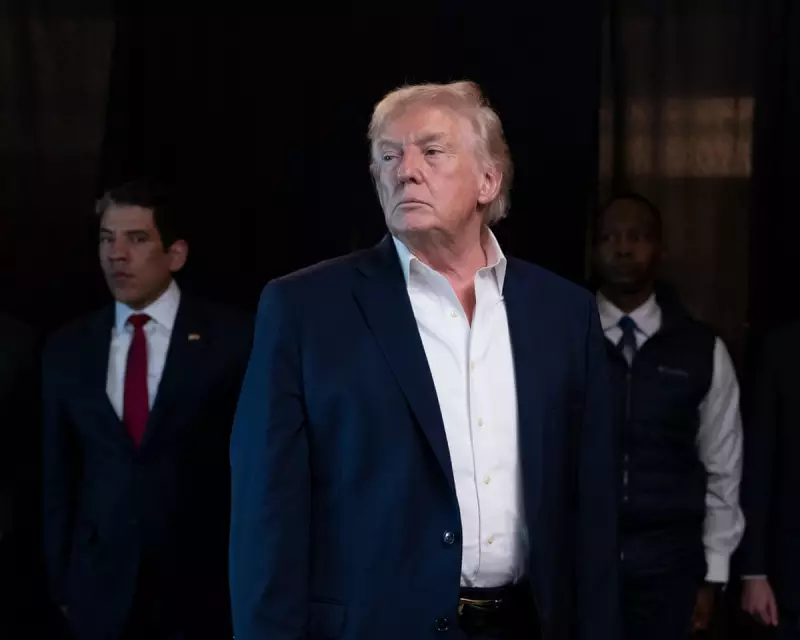
In a dramatic and unprecedented escalation, the United States has launched a major military operation against Venezuela, culminating in the seizure of the country's president, Nicolás Maduro. The action, ordered by President Donald Trump in the early hours of Saturday, 3 January, marks the first significant US military attack on South American soil and has sent shockwaves across the globe.
A Dangerous New Precedent
President Trump declared that American dominance in the western hemisphere will never be questioned again. The unilateral decision to attack another sovereign nation and abduct its leader, coming just days after Mr Trump had publicly suggested seeking a diplomatic solution, establishes a chilling new norm in international relations. The move has been widely condemned as illegal, undertaken without any form of United Nations resolution, without congressional approval, and with Democratic lawmakers claiming they were actively misled in briefings.
While the Venezuelan people have suffered under Mr Maduro's repressive and kleptocratic regime, which is widely believed to have stolen the last election, the US intervention has plunged the nation into profound uncertainty. Mr Trump has suggested that Maduro's deputy, Delcy Rodríguez, would follow US instructions, but she, now serving as interim president, has struck a defiant tone. The US president also dismissed the rightwing opposition leader and Nobel prize-winner, María Corina Machado, as a plausible replacement.

From Superpower to Rogue State?
The ideology driving this action appears clear. A president who once campaigned on abandoning foreign wars now states he is not afraid of boots on the ground. His earlier rebranding of the Department of Defense as the Department of War now seems more than mere posturing. Analysts warn that under Mr Trump, the United States is not acting as a global policeman but is being transformed into a rogue state, believing its military might allows it to act with impunity.
This pattern is evident in recent strikes on Nigeria and Iran's nuclear facilities. Mr Trump has explicitly linked the Venezuela operation to resource acquisition, promising that Venezuelan oil means this latest episode won't cost us a penny. The stated pretext of a war on drugs rings hollow; Venezuela is only a minor cocaine conduit, and Mr Trump recently pardoned the former Honduran president, Juan Orlando Hernández, for drugs and weapons crimes.
Global Repercussions and a Distracted Leader
The global reaction, particularly in Europe, has been notably muted, interpreted by many as fear of provoking Mr Trump's wrath. While UN Secretary-General António Guterres issued a strong condemnation, the episode underscores the growing perceived irrelevance of international institutions. The attack, which reportedly killed 40 Venezuelans including civilians, cost no US lives, potentially emboldening further adventurism.
Mr Trump has not ruled out military action over Greenland and told Fox News that something is going to have to be done with Mexico. With domestic popularity waning amid soaring healthcare premiums and economic discontent, the desire for a distracting foreign policy triumph appears a significant motivator. As the world watches, the question is not only about the message sent to adversaries like Vladimir Putin and Xi Jinping, but about where the United States itself is heading under a leader willing to shred international norms.






