

The dramatic capture of Venezuelan leader Nicolas Maduro by US forces has thrust global geopolitics into uncharted and perilous territory. The event, which unfolded on Sunday 4 January 2026, marks a radical escalation in American interventionism, justified by a historical doctrine last relevant in the 1830s.
The Return of the Monroe Doctrine
To comprehend the seismic shift, one must understand the Monroe Doctrine. Articulated by President James Monroe in the 1820s, it declared the Americas a US sphere of influence, warning European powers against colonial ventures. For two centuries, it remained a historical footnote.
That changed at the end of 2025. The White House's new national security strategy resurrected the doctrine, appending a 'Trump Corollary'. This addition stated the US would not tolerate hostile or criminal neighbours engaged in what it termed "chronic wrongdoing."

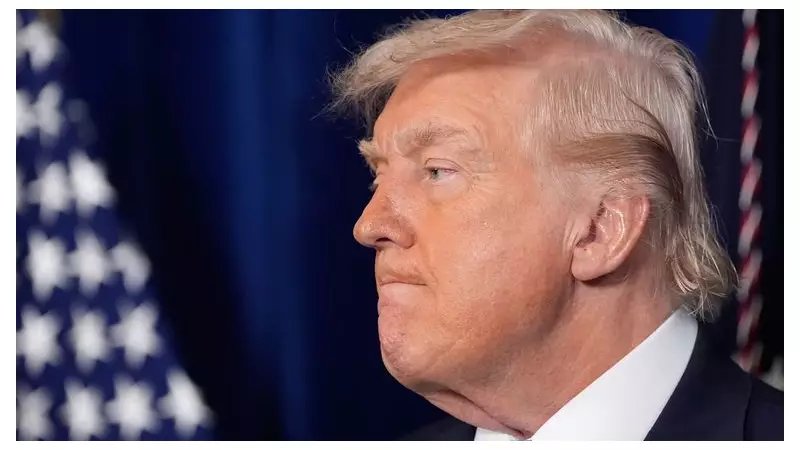
President Donald Trump has explicitly framed the operation against Maduro within this context. "We have superseded it by a lot," he declared of the Monroe Doctrine. "They now call it the 'Donroe Doctrine'. American dominance in the Western Hemisphere will never be questioned again." The 'Don' is a clear reference to Mr Trump himself.
A Doctrine in Action: The Venezuela Precedent
The application of this so-called Donroe Doctrine in Venezuela is unprecedented in modern times. The US president has justified the seizure of a sovereign nation's leader and announced that the US will be running Venezuela for the foreseeable future.
This action sets a formidable and controversial precedent. It moves beyond sanctions or covert operations to direct, overt military and political intervention, underpinned by a 19th-century ideological framework.
Who Might Be Next in America's 'Backyard'?
The critical question now facing analysts and governments across the region is: where does the doctrine lead next? The Trump administration's rhetoric identifies several potential targets in what it views as America's backyard.
The list of "hostile or criminal neighbours" cited includes:
- The powerful and violent cartels of Mexico.
- The communist regime in Cuba, long described by Washington as a failing state.
- The prolific cocaine laboratories in Colombia.
Mr Trump may consider all these entities, and potentially the governments that harbour them, as fair game under the new doctrine's broad and subjective principles. The capture of Maduro demonstrates that the policy is not merely theoretical but a blueprint for action.
The reactivation of such an expansive and unilateral foreign policy doctrine signals a weirder and potentially far more dangerous phase in international relations. It challenges contemporary norms of sovereignty and non-intervention, suggesting a return to a more imperial style of geopolitics where regional hegemony is enforced by might. The world is now watching closely to see which nation the Donroe Doctrine targets next.






