A significant suite of policy changes is set to reshape daily life across Australia from the first week of 2026. The federal government, alongside state administrations, will implement a wide range of new measures affecting healthcare, finance, childcare, and law enforcement.
National Health and Social Security Reforms
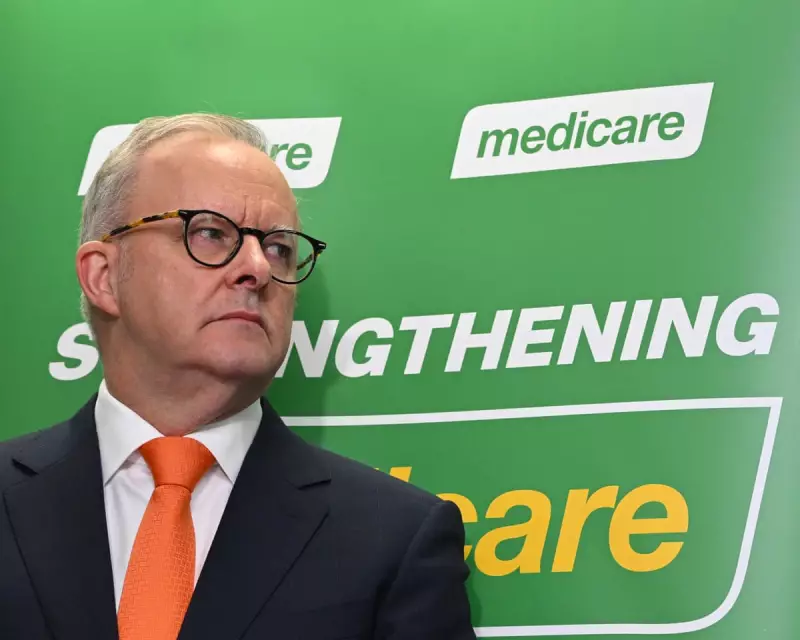
The centrepiece of the federal changes is the next stage of the Labor government's 'cheaper medicines' policy. From 1 January 2026, the maximum cost for any prescription listed on the Pharmaceutical Benefits Scheme (PBS) will be reduced to $25. This represents a substantial cut from the current co-payment of $31.60. Prime Minister Anthony Albanese stated this move would save Australians more than $200 million annually. The cost for pensioners and concession card holders will remain frozen at $7.70 until 2030.
In tandem, a new 24/7 nurse-staffed phone line, 1800 MEDICARE, will launch, replacing the existing Healthdirect service to better connect patients with care. Furthermore, a new online Medicare mental health check-in service will begin operation in early January, offering initial support and later expanding to provide low-intensity cognitive behavioural therapy.

Social security recipients will also see modest increases due to regular indexation. Key changes include a $17.60 per fortnight rise in the single rate of Youth Allowance and a $13.90 per fortnight increase for Austudy.
New Rules for Cash and Childcare
Major changes are also coming for consumer transactions and early education. New federal rules will mandate that businesses like grocery stores and petrol stations must accept cash payments for transactions of $500 or less. Small businesses with a turnover under $10 million are exempt from this requirement.
In childcare, the long-discussed 'three-day guarantee' will come into force. This policy removes the previous activity test, granting all families access to three days of government-subsidised care per week, irrespective of parental income or work status. The government estimates this will make an additional 100,000 families eligible for more support.
State-Specific Law Changes from January 1st
Significant legislative shifts will occur at the state level. In Victoria, public transport will become free for all individuals under 18. Furthermore, the state is expanding its land tax regime, introducing a Vacant Residential Land Tax (VRLT) for undeveloped metropolitan land and significantly increasing its congestion levy.
Queensland is enacting several major legal reforms. Most notably, a public child sex offender register, known as Daniel's Law, will commence. The register will operate on three tiers, allowing for public alerts, localised checks by residents, and direct inquiries by parents or guardians. The state has also amended its double jeopardy laws related to the DNA lab scandal and aligned its defamation laws with other jurisdictions regarding social media comments.
In New South Wales, a weekly toll cap of $60 will be made permanent, while new developments in the City of Sydney will face a so-called 'gas ban', requiring electric appliances. Post-Bondi attack legislation also introduces limits on firearm ownership and new police powers to restrict protests following terrorist incidents.
Additional Economic and Environmental Adjustments
Other noteworthy changes include adjustments to the federal home battery rebate scheme, which will see the subsidy slightly reduced to $336 per kWh as more funding is injected into the program. In NSW, property developers will gain tax incentives for build-to-rent projects.
Collectively, these wide-ranging updates mark a substantial shift in policy as Australia enters 2026, impacting household budgets, healthcare access, and legal frameworks across the nation.