

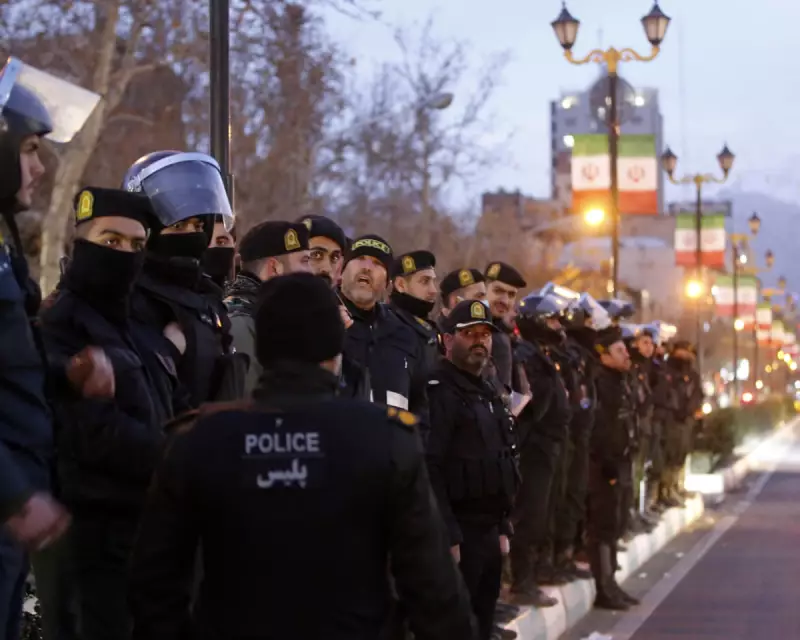
Fresh threats of US military action against Iran, prompted by recent unrest, have sparked warnings that democracy cannot be delivered through a bombing campaign. The focus, analysts argue, must instead be on bolstering Iranian civil society and independent institutions.
The Allure of the 'Big Bang' and a Flawed Strategy
Commentators draw parallels with former President Donald Trump's earlier military decisions. Soon after taking office in 2017, he authorised the first combat use of the massive GBU-43 "bunker buster" bomb in Afghanistan. While it killed an estimated 90 Islamic State insurgents, the strike failed to deliver a long-term strategic victory.
The action, however, served a different purpose: to project an image of decisive power. Observers suggest Trump's latest menaces towards Iran, following protests there, stem from a similar desire for dramatic, headline-grabbing shows of force rather than a genuine commitment to democratic principles.

This approach is seen as fundamentally misguided. The goal appears to be a capitulation and regime change on Washington's terms, not a negotiated settlement with Tehran's clerical leadership. Yet, as demonstrated in other conflicts, Trump's strategy often lacks consistency and long-term vision.
Why Military Intervention Would Fail
Practical and geopolitical hurdles have reportedly caused the White House to pause. Strikes on nuclear sites or Islamic Revolutionary Guard Corps (IRGC) bases were considered unlikely to yield the quick, clean success desired. Key regional allies, including Gulf leaders and even Israeli Prime Minister Benjamin Netanyahu, expressed caution, fearing retaliatory strikes and wider chaos.
The concept of "decapitating" the regime, as attempted in Venezuela, was also deemed problematic. While Trump claimed in June that the US could easily assassinate Supreme Leader Ayatollah Ali Khamenei, his removal would not guarantee reform. Iran has a deep bench of potential hardline successors, possibly including Khamenei's own son, likely to continue theocratic rule.
Ultimately, external military force would likely worsen the plight of ordinary Iranians and destabilise the region, undermining the West's own goal of a stable, peaceful Iran.
The Alternative Path: Supporting Iran's Civil Society
The solution, therefore, lies in peaceful, internal change. Surveys indicate most Iranians desire a secular constitution, free elections, and the abolition of the anachronistic role of supreme leader. Universal human rights, particularly women's rights, must be codified into law.
The West can help foster this environment without dropping bombs. Concrete measures include:
- Increasing targeted economic pressure on the regime and its leaders through sanctions and boycotts.
- Suspending diplomatic contacts and shuttering embassies, like the UK's in Tehran, to deny the regime legitimacy.
- Freezing any talks that normalise the current government.
- Employing cyber and hybrid operations to disrupt regime security and revenue.
- Seizing "ghost" tankers used to export Iranian oil illicitly.
Critically, sustained support must be given to Iran's fractured opposition and future leaders. Western tech firms can aid citizens in bypassing internet blackouts. Soft-power tools, like Persian-language broadcasting, should be expanded, not cut.
Independent media, a robust civil society, and the rule of law are the foundations Iran truly needs. Forging this future is far harder than launching missiles, but it is the only path to lasting, legitimate change. The impetus must come from within Iran, but the international community has a moral obligation to offer practical, non-violent assistance.






