

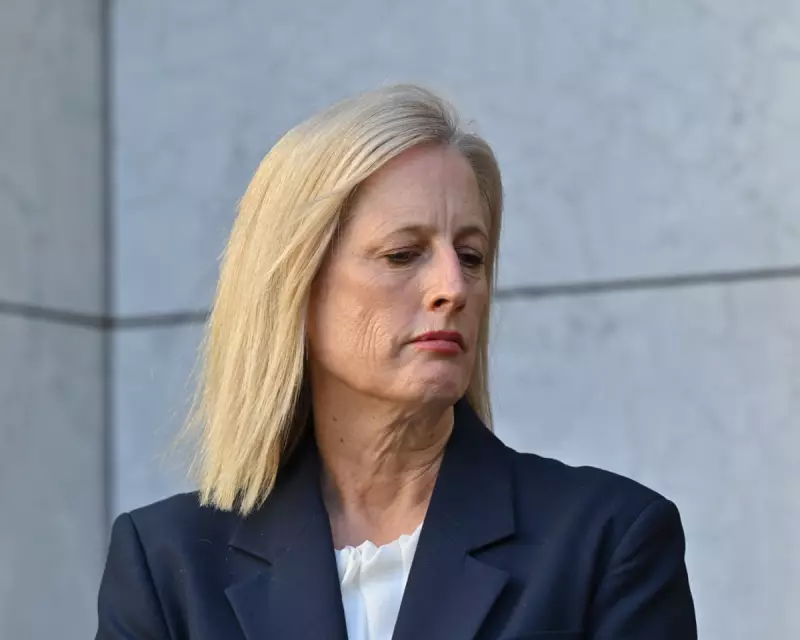
The Australian government has publicly opposed potential new trade sanctions from the United States, which were threatened by former President Donald Trump in his bid to gain control of Greenland. Finance Minister Katy Gallagher stated that imposing tariffs would be "the wrong course" and reaffirmed Australia's support for free trade principles.
Trump's Tariff Threats and Greenland Ambitions
Donald Trump has used social media to warn several European nations of impending tariffs if they oppose his ambitions for Greenland. He specified a 10% tariff on all goods traded with the US from Denmark, Norway, Sweden, France, Germany, the UK, the Netherlands, and Finland, starting next month. Trump declared this tariff would rise to 25% on 1 June and remain until a deal was secured for the "Complete and Total purchase of Greenland".
Trump justified the move by claiming the US had subsidised Denmark and EU countries for decades by not charging import taxes. He framed the territorial acquisition as a matter of national security, citing Greenland's strategic Arctic location and natural resources as critical for advantage against rivals like Russia and China.

Australia's Firm Position on Sovereignty and Trade
In response to the escalating situation, Australian Finance Minister Katy Gallagher was unequivocal. "We have been clear that the issue of Greenland is a matter for Greenland and Denmark," she stated on Sunday. Addressing the reports of tariffs, she added, "our position on that has been clear, that we don't support tariffs. We support free trade."
Gallagher's comments align with recent statements from Prime Minister Anthony Albanese and Foreign Affairs Minister Penny Wong. The Labor government has consistently maintained this position while generally avoiding direct public criticism of Trump. Wong acknowledged that while the US is Australia's closest strategic partner, differences in perspective do occur, but the alliance must be maintained responsibly.
European Response and Military Implications
The tariff threat has drawn significant condemnation from European leaders. UK Prime Minister Keir Starmer, French President Emmanuel Macron, and EU Commission President Ursula von der Leyen have all spoken out against it. In a concrete show of support, European NATO members, including Denmark, agreed this week to send troops to reinforce Greenland's security.
When questioned about the potential ramifications for Australia's own foreign and defence policy should Trump attempt to seize territory from NATO ally Denmark, Minister Gallagher declined to comment. The situation remains tense, with Trump having previously threatened military action to take control of Greenland, putting key European allies on edge.
The dispute highlights the fragile nature of international trade and alliance politics, with Australia carefully navigating its position between a historic ally and the principles of national sovereignty and free trade.






