Europe's Liberation from Trump: A Turning Point in the Iran Conflict
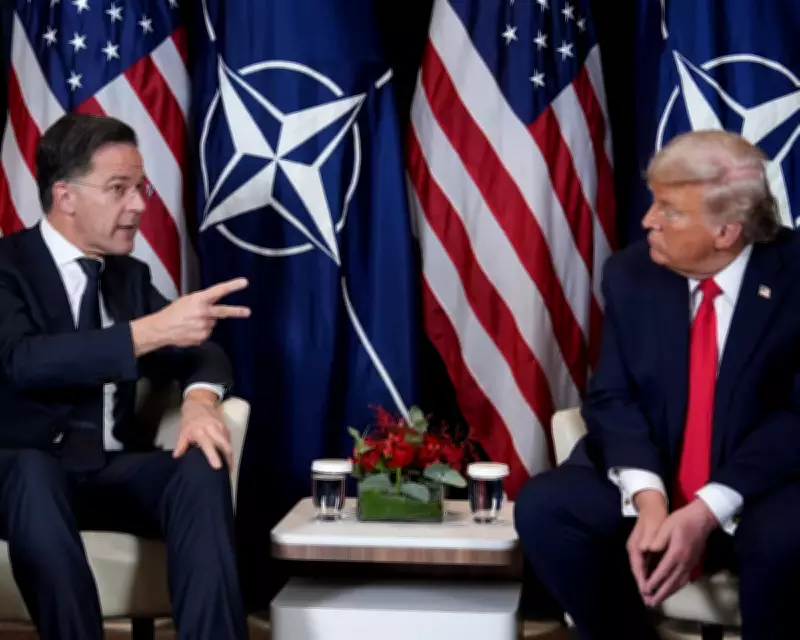
In a dramatic shift in transatlantic dynamics, European leaders are increasingly distancing themselves from former US President Donald Trump's aggressive policies in the Middle East, particularly regarding the recent conflict with Iran. This movement marks what analysts describe as Europe's gradual emancipation from Washington's influence, following years of sycophantic behavior that reached its peak with NATO Secretary General Mark Rutte's controversial reference to Trump as "daddy" in early 2026.
The Journey from Sycophancy to Opposition
Initially, most European governments tacitly supported the US-Israel military action against Iran, with Rutte representing the extreme end of pro-Trump sentiment among European leadership. Only Spanish Prime Minister Pedro Sánchez offered principled opposition to what many legal experts deemed an illegal attack. European leaders, eager for transatlantic détente after the Greenland crisis and hostile toward Iran's regime, initially fell for what critics call Trump's "Venezuela trick" illusion—the belief that regime change could be painlessly achieved in Tehran as it was in Caracas.
However, as the Middle East conflict escalated, European positions underwent significant transformation. Trump has evolved in European perception from Rutte's "daddy" characterization to what Sánchez views as the "baddie" of international relations. This cooling toward Trump's war, launched alongside Israeli Prime Minister Benjamin Netanyahu, has manifested in concrete policy shifts across the continent.

European Resistance Takes Concrete Form
Several European nations have implemented tangible measures to distance themselves from Trump's Middle East strategy:
- Italy denied US warplanes permission to use Sicilian airbases for operations against Iran
- Poland refused to send Patriot air defense systems to the Middle East, citing ongoing threats from Russia
- France rejected overflight rights and opposed a US-sponsored UN resolution calling for military reopening of the Strait of Hormuz
- Spain imposed early bans on using jointly operated Spanish-US bases for war-related operations
These actions reflect a growing European consensus that strategic waterways like the Strait of Hormuz can only be reopened through diplomatic coordination with Tehran, not military force.
Factors Driving Europe's Awakening
Multiple factors explain Europe's changing stance toward Trump's foreign policy. European governments initially backed the Iran conflict despite its illegality, believing swift resolution would deliver strategic advantages. They have since recognized their miscalculation, particularly regarding benefits to Russia through higher oil prices and depletion of air defense systems available to Ukraine.
Washington's temporary unsanctioning of Russian oil and consideration of diverting European-ordered weapons from Ukraine to the Gulf further alienated European allies. The Middle East conflict has proven devastating for Kyiv while threatening Europe's third economic crisis in five years, following COVID-19 and the Ukraine war.
European leaders are learning through painful experience that erosion of international law—exemplified by the Middle East conflict—harms global stability, including Europe's own interests. Trump's increasingly unhinged declarations, including threats of war crimes in Iran and insults toward European leaders, have grown so repetitive that they are losing their psychological impact. Europeans are becoming both numb to and bored by Trump's rhetoric.
Political Realignment Across Europe
Even far-right European leaders are distancing themselves from Trump, not necessarily because they reject his predatory worldview, but because proximity to the former president is becoming politically toxic. Italian Prime Minister Giorgia Meloni has quietly distanced herself from Trump's war following a crucial constitutional referendum defeat. Similar distancing is visible in Germany and France, where far-right parties have voiced dissent.
Only Hungarian Prime Minister Viktor Orbán remains firmly aligned with Trump, as highlighted by JD Vance's recent Budapest visit. Upcoming elections will reveal whether this alignment has become a political liability even for Orbán.

Europe Finding Its Diplomatic Voice
As Europe establishes distance from Trump, it is rediscovering its diplomatic agency. The continent's opposition to the Iran war and promotion of permanent hostilities cessation could pave the way for multilateral regional initiatives. European, Gulf, and Asian countries have proposed ensuring safe passage through the Strait of Hormuz, while the UK leads a 40-country coalition seeking to reopen the strait once US-Israeli offensives definitively end.
These initiatives would require coordination with Iran and might encompass Iranian oil exports and shared regional toll systems to finance reconstruction. If successful, they could extend to new nuclear agreements, non-aggression pacts between the US and Iran and between Israel and Iran (including Lebanon), release of frozen Iranian funds for infrastructure rebuilding, and selective lifting of EU and US sanctions.
Europeans are recognizing that their commitment to multilateralism and international law serves not just lofty ideals but hard-nosed interests. As this realization solidifies, European leaders must prepare to act alongside Gulf and Asian partners to ensure what they view as an illegal, unilateral war—which they increasingly see as "not their war"—reaches a definitive conclusion.