

A recent appeal for peace and negotiation by a senior Iranian official has been met with a stark rebuttal, highlighting a decades-long history of violence against American interests. The response argues that Iran's actions fundamentally contradict its newfound diplomatic rhetoric.
A Call for Talks Meets Historical Reality
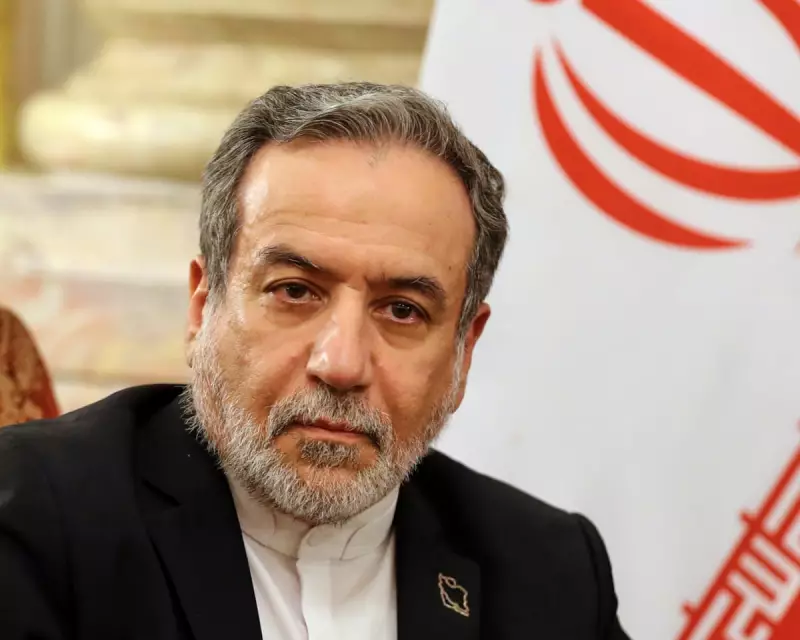
Last week, Iran's Foreign Minister, Abbas Araghchi, used a platform in the Guardian to urge the United States to view Iran as a potential ally. He appealed directly to former President Donald Trump, suggesting that "real talks" could lead to a mutually beneficial outcome. However, this overture has been challenged by a reader who points to a historical record that tells a very different story.
The rebuttal states that the Islamic Republic's identity has been built in opposition to the US since its 1979 revolution. This was starkly demonstrated by the seizure of 52 US diplomats, who were held hostage for 444 days amid chants of "Death to America". The reader asserts this was a foundational act of the regime, not a simple misunderstanding.

A Pattern of Proxy Warfare and Denial
The core of the counter-argument details a consistent pattern where Iran has used proxy forces and covert operations to attack US personnel and assets while avoiding direct responsibility.
The deadliest single incident cited is the 1983 bombing of the US Marine barracks in Beirut, Lebanon. The attack, carried out by the Iran-backed militant group Hezbollah, killed 241 American service members. This was swiftly followed by the bombing of the US embassy in Beirut, which killed 17 Americans. US courts and intelligence agencies have concluded that Iran's Islamic Revolutionary Guard Corps (IRGC) was instrumental in planning, funding, and training for these operations.
This pattern allegedly continued for years:
- In 1996, the Khobar Towers bombing in Saudi Arabia killed 19 US Air Force personnel. US investigations linked the attack to Hezbollah al-Hijaz, a group backed by Iran.
- Following the 2003 invasion of Iraq, Iran supplied Shia militias with advanced Explosively Formed Penetrators (EFPs) and training. US military assessments hold these Iranian-backed groups responsible for the deaths of at least 500 American soldiers during the conflict.
The Prerequisite for Real Diplomacy
The reader strongly disputes Araghchi's characterisation of these events as "myths originating from Israel." They are presented instead as established findings of US courts, bipartisan administrations, and international reporting.
The argument concludes that genuine diplomacy cannot be built on rhetoric alone. It states that a government which has spent decades exporting violence through proxies like Hezbollah, Hamas, and various militias in Iraq, Syria, and Yemen cannot demand trust while refusing accountability.
The path to peace, the reader contends, requires more than words about respect. It necessitates a clear and verifiable break from the use of terror, proxy warfare, and the ideological hostility towards the United States that has been a central pillar of the Iranian regime since its inception.






