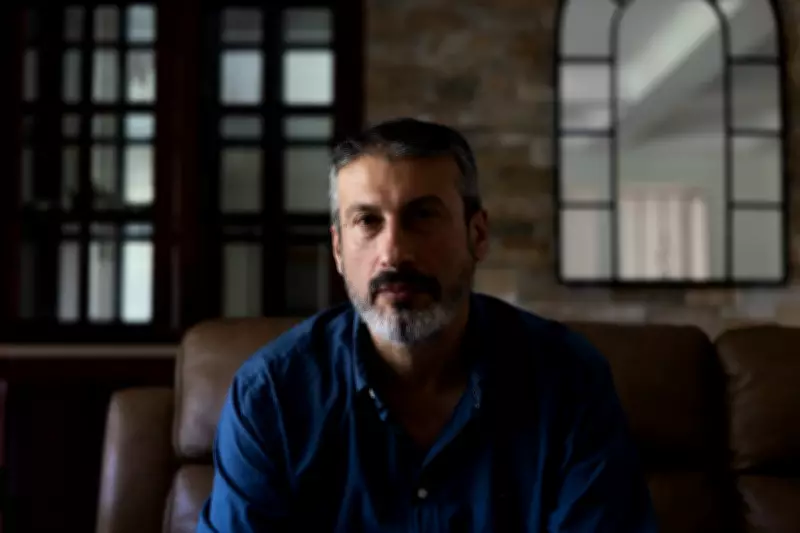
The Lebanese-Australian community has been deeply affected by the recent Israeli bombing of Beirut, with widespread expressions of shock, concern, and solidarity emerging across Australia. This incident has sparked intense reactions among diaspora members, many of whom maintain strong ties to Lebanon and fear for the safety of relatives and friends in the conflict zone.
Community Responses and Emotional Impact
In cities like Sydney and Melbourne, where significant Lebanese-Australian populations reside, community leaders and organizations have reported a surge in anxiety and distress. Social media platforms have been flooded with messages of support, prayers for peace, and calls for international intervention to de-escalate the situation. The emotional toll is palpable, as families grapple with uncertainty and the trauma of witnessing violence from afar.
Calls for Diplomatic Action
Several Lebanese-Australian advocacy groups have issued statements urging the Australian government to take a more active role in promoting peace and condemning the violence. They emphasize the need for diplomatic efforts to protect civilians and address the root causes of the conflict. These calls highlight the diaspora's desire to leverage their position in Australia to influence foreign policy and humanitarian outcomes.

Historical Context and Ongoing Tensions
The reaction is informed by a long history of conflict in the Middle East, with many Lebanese-Australians having personal experiences of war and displacement. This background fuels their passionate responses and underscores the broader implications of the bombing for regional stability. The incident has reignited debates about Australia's stance on international conflicts and its responsibilities toward multicultural communities.
Solidarity Events and Support Networks
In response to the crisis, solidarity vigils, fundraisers, and community meetings have been organized to provide emotional support and raise awareness. These events serve as spaces for collective mourning and action, fostering a sense of unity among Lebanese-Australians and their allies. Support networks are mobilizing to offer practical assistance, such as connecting families with resources and advocating for refugee rights.
The bombing has not only impacted those directly connected to Lebanon but has also resonated with broader Australian society, prompting discussions about multiculturalism, conflict resolution, and global citizenship. As tensions persist, the Lebanese-Australian community remains vocal in its demand for peace and justice, reflecting a commitment to both their heritage and their adopted home.