

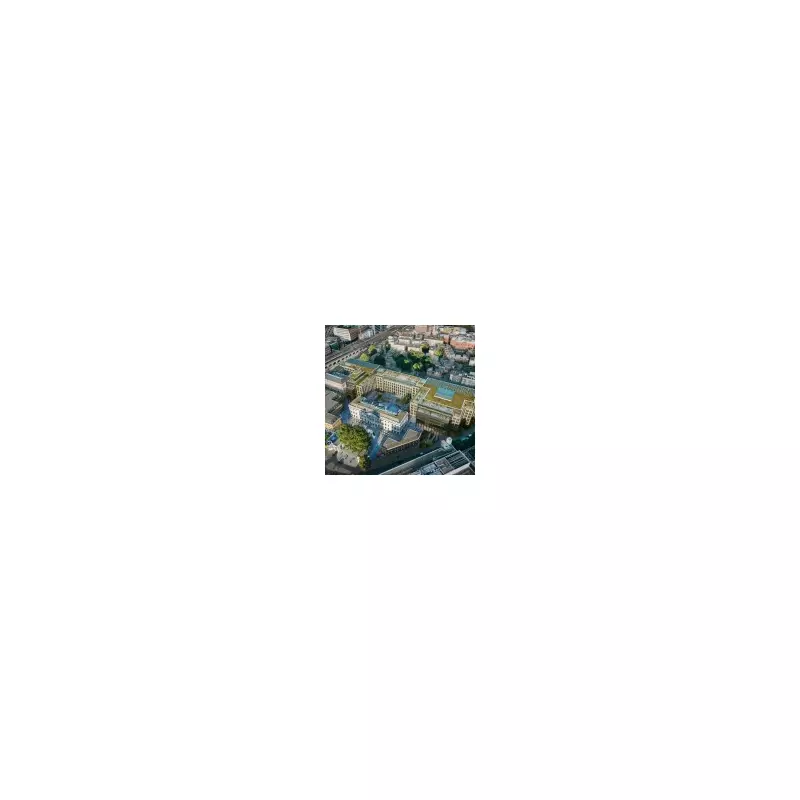
Plans for a controversial new Chinese embassy in London, which include a previously undisclosed secret basement, have ignited a major diplomatic and security row. The revelation comes as Prime Minister Keir Starmer is reportedly poised to approve the project ahead of a landmark visit to Beijing.
Unredacted Plans Reveal Concealed Chamber
Newly uncovered documents for the embassy, which is set to be housed in the converted old Royal Mint building, show a concealed chamber that was omitted from versions initially made public. This hidden space runs along the outer wall of a room in the north-west of the vast 22,000 square metre complex, which will be China's largest diplomatic mission in Europe.
Critically, the site is located perilously close to fibre optic cables that transmit sensitive email, messaging, and financial data for millions, with information flowing towards the City of London. The chamber is one of dozens of rooms that were blacked out in earlier public plans, citing 'security reasons'.

Political Storm and Security Warnings
The discovery has fuelled significant backlash from across the political spectrum. While reports indicate that MI5 and MI6 have raised no formal objections, previous warnings from security services have resurfaced. Dominic Cummings, former advisor to Boris Johnson, has claimed he was told the Chinese were 'trying to build a spy centre underneath' the embassy.
In the House of Commons, Tory MP Alicia Kearns warned the site would provide 'access that would give the Chinese Communist Party a launchpad for economic warfare against our nation'. Meanwhile, Liberal Democrat foreign affairs spokesman Callum Miller labelled it 'insane' to proceed.
Decision Deadline Looms for Starmer Government
The final decision on the project has been delayed repeatedly. Former Housing Secretary Angela Rayner and the current minister, Steve Reed, pushed back approvals, demanding clearer communication from China over the censored plans. Housing Minister Matthew Pennycook confirmed that dialogue continued as recently as 6 January 2026, with a final decision now due on or before 20 January 2026.
This deadline coincides with Prime Minister Starmer's planned trip to China, where he is set to meet President Xi Jinping, becoming the first British leader to visit in eight years. His expected approval of the embassy plans before departure is set to trigger a fresh political crisis.
The controversy underscores the intense scrutiny on foreign investment in critical infrastructure and the enduring security dilemmas facing the UK government in an era of heightened geopolitical tensions.






