

Prime Minister Sir Keir Starmer is poised to embark on a significant diplomatic mission to China at the end of January, marking the first visit by a British premier since Theresa May's trip in 2018. The journey, heavily telegraphed by a series of ministerial visits over the past 18 months, comes as the UK government is widely expected to grant approval for China's controversial new embassy complex in London.
A Carefully Prepared Diplomatic Foray
The groundwork for Starmer's visit has been laid by a procession of senior Labour figures. Chancellor Rachel Reeves, former Foreign Secretary David Lammy, Business Secretary Peter Kyle, and Energy Secretary Ed Miliband have all travelled to Beijing since the party took power. This flurry of activity underscores the strategic importance Labour places on the bilateral relationship.
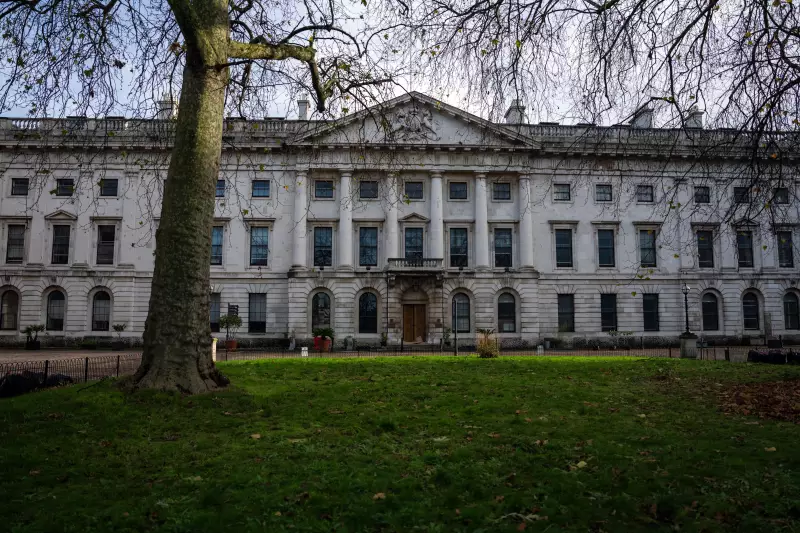
However, the context is fraught. The UK-China relationship is currently strained by three major issues: the long-delayed decision on China's proposed new embassy at Royal Mint Court in East London; the case of British national and Hong Kong businessman Jimmy Lai, convicted of national security offences; and the collapsed trial of two British citizens accused of spying for China.

The Elusive 'China Audit' and a Policy of 'Progressive Realism'
Despite a manifesto pledge to conduct an immediate "audit" of the UK-China relationship, the Labour government only completed this review a full year after the general election. When then-Foreign Secretary David Lammy presented a summary to the Commons in June 2025, he stated much of the detail was too sensitive to disclose, offering only broad strokes.
The audit's conclusions appeared contradictory, and Lammy's subsequent policy statement offered little concrete direction. He described a framework of "progressive realism", promising to "co-operate where we can and challenge where we must"—a near-verbatim repetition of the party's manifesto rhetoric that critics derided as avoiding tough choices.
Actions Speak Louder Than Words
In practice, the government's actions have tilted decisively towards conciliation. A pre-election pledge to declare China's actions in Xinjiang as genocide was softened to a commitment to "raise concerns". Despite stark warnings from MI5 Director General Sir Ken McCallum about the Chinese threat, the PRC has not been placed in the enhanced tier of the Foreign Influence Registration Scheme.
The most telling signal is the impending decision on the Royal Mint Court embassy, with approval anticipated on 20 January. Many observers believe a refusal would lead Beijing to cancel the Prime Minister's visit, highlighting the diplomatic pressure at play.
Business Delegation Signals Economic Priority
A revealing indicator of Starmer's approach is Downing Street's appeal for business leaders to join the China trip. This move suggests two key priorities. Firstly, it implies the Prime Minister does not anticipate a confrontational stance that would make corporate observers uncomfortable. Secondly, it lays bare the government's primary lens for viewing Beijing: as an indispensable engine for UK economic growth.
This focus was evident during Rachel Reeves's visit a year ago, where government communications highlighted "lifting market access barriers" and "agreements worth £600m". With the UK economy stagnant and public finances stretched, Labour's growth strategy appears increasingly reliant on engaging with China, despite the acknowledged security threats.
The recruitment of a business delegation suggests Starmer has, for now, chosen his lane. The posture is one of economic engagement, with the cap in hand, rather than donning a helmet for a strategic confrontation. The Prime Minister faces the enduring challenge of balancing China's dual role as a vital trade partner and a systemic competitor, a balance his government's early actions seem to have resolved in favour of the former.






