

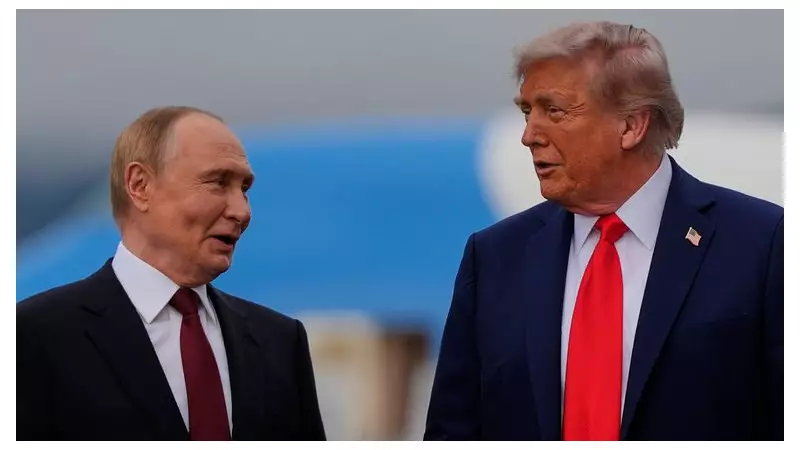
US President Donald Trump has publicly stated that Ukraine did not target a personal residence of Russian leader Vladimir Putin in an alleged drone attack, following checks by American officials.
From Anger to Doubt: A Presidential Reversal
The American president's position marks a significant shift. On 29 December 2025, Mr Trump said he was "very angry" after being informed of the incident by President Putin himself during discussions. He had initially characterised any attack on a leader's home as inappropriate, stating "It's not the right time to do any of that."
However, after a review by US intelligence, Trump revised his assessment. "I don't believe that strike happened," he stated definitively. "We don't believe that happened, now that we've been able to check." He conceded that "something happened nearby," but insisted the Russian leader's residence was not the intended target.

The Russian Allegation and Ukrainian Denial
Moscow had accused Ukraine of attempting to strike a residence in Russia's northern Novgorod region with 91 long-range attack drones at the end of last month. Russia released footage purporting to show a drone used in the alleged attack.
Ukrainian President Volodymyr Zelenskyy, who had held talks with Trump in Florida just a day before the Russian accusation, dismissed the claims as "lies". Western and European officials largely supported Kyiv's position, suggesting the allegation was a Russian ploy to undermine peace efforts.
Diplomatic Repercussions and the Path Forward
The incident has had immediate diplomatic consequences. Following its accusations, Russia announced it would review its negotiating position in ongoing talks with the United States aimed at ending the war in Ukraine.
This episode highlights the delicate nature of the current diplomacy. Trump's initial sympathetic reaction to Putin's claim, followed by a correction based on US intelligence, underscores the complex intelligence and political landscape surrounding the conflict.






