

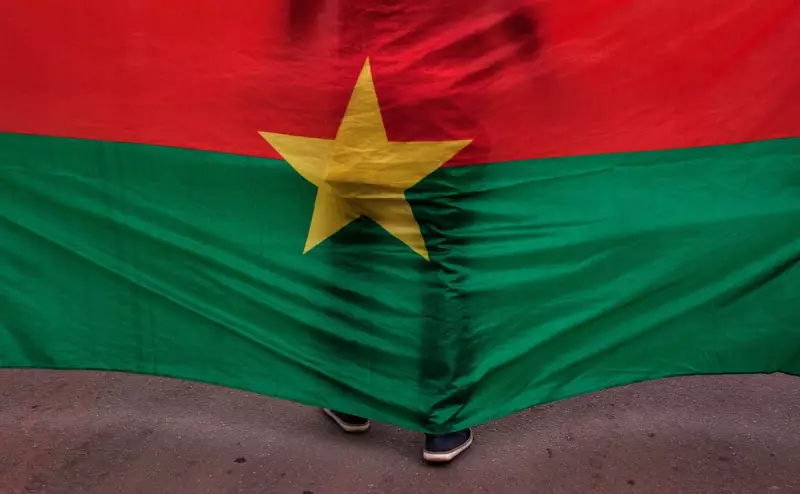
In a sharp escalation of diplomatic tensions, the West African nations of Mali and Burkina Faso have announced immediate bans on entry for American citizens. This move is a direct act of retaliation against former US President Donald Trump's decision to include their citizens in a controversial expansion of travel restrictions to the United States.
The Principle of Reciprocity Applied
The announcements were made separately on Tuesday by the foreign ministers of the two countries. The Malian Ministry of Foreign Affairs stated its government would "apply the same conditions and requirements to US nationals as those imposed on Malian citizens," citing the principle of reciprocity. A near-identical statement was issued by Burkina Faso's foreign minister, Karamoko Jean-Marie Traoré.
This tit-for-tat action marks the latest downturn in the already strained relationship between the United States and the military-led governments in West Africa. Both Mali and Burkina Faso are currently ruled by juntas that seized power from civilian governments, citing ongoing insecurity.

Origins of the US Travel Restrictions
The chain of events began on 16 December, when the Trump administration significantly widened its existing travel ban list. The expansion added 20 new countries, including Mali, Burkina Faso, and their neighbour Niger. All three nations have formed a breakaway alliance, distancing themselves from the main regional bloc, the Economic Community of West African States (ECOWAS).
US officials justified the restrictions as a necessary security measure. They argued the policy was vital to prevent the entry of individuals about whom there was insufficient information to assess potential risks. The White House specifically pointed to persistent attacks by armed groups in the Sahel region as a key factor behind the decision.
The Trump administration linked the policy intensification to the aftermath of a shooting incident in Washington DC on 26 November, where two National Guard members were injured, using the case to advocate for tighter immigration controls.
Regional Instability and International Fallout
The core of the dispute lies in the severe security challenges facing the Sahel. Both Mali and Burkina Faso have struggled to contain the rapid spread of jihadist and other armed groups within their borders. The military juntas now in power originally deposed civilian governments, vowing to restore security, but violence continues to plague the region.
This reciprocal ban represents a significant diplomatic rebuke and underscores the growing friction between the US and the new military authorities in West Africa. It moves the relationship from one of criticism over democratic backsliding to one of concrete, punitive measures affecting ordinary citizens of both nations.
The situation creates immediate complications for diplomats, aid workers, journalists, and business travellers with connections to these countries. It also sets a precedent for further retaliatory actions in international relations, where immigration policy becomes a tool for geopolitical signalling.






