

The much-anticipated meeting between former US President Donald Trump and Ukrainian leader Volodymyr Zelenskyy at Mar-a-Lago on Monday 29 December 2025 failed to produce a major diplomatic breakthrough. However, analysts note that avoiding a repeat of their infamous, tense Oval Office encounter from February constitutes a minor victory in itself.
Diplomatic Poker Faces and Telling Reactions
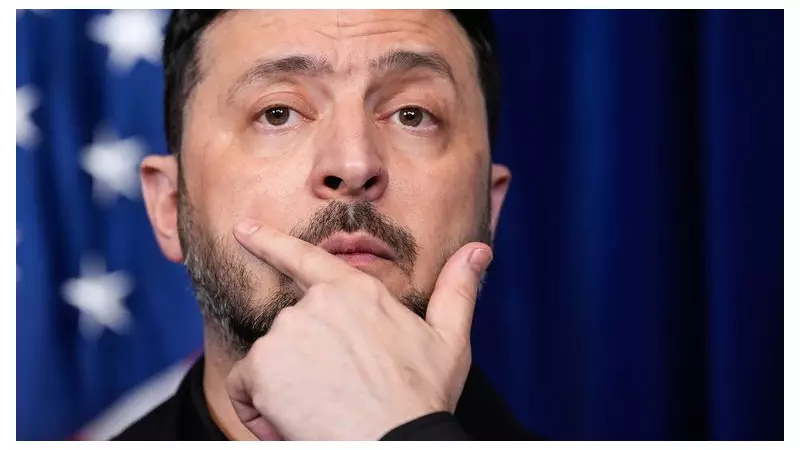
While the summit did not materially advance the peace process in Ukraine, the body language and reactions of the Ukrainian president were highly revealing. At several points, Zelenskyy appeared visibly exasperated, particularly when Trump diverted serious discussion to trivialities like the quality of Mar-a-Lago's food or the physical appearance of Ukrainian generals.
The Ukrainian leader's composure notably slipped when Trump asserted that "Russia wants Ukraine to succeed." Zelenskyy responded with a shrug and a disbelieving laugh, a reaction that underscored the profound gap between Trump's statement and the brutal reality of Vladimir Putin's invasion. This moment highlighted the core challenge: deciphering whether Trump's comments stem from ignorance, a disengagement from detail, or a more troubling alignment with Moscow's interests.

Substance Amid the Spectacle: Security and Percentages
Beyond the telling facial expressions, the meeting yielded some substantive, if cautious, progress. Zelenskyy seemed to receive reassurances that a Trump administration would provide a military backdrop to deter future Russian aggression, though the exact nature of these US security guarantees remains undefined. Ukrainian sources reportedly view Trump's verbal commitment and his newfound willingness to visit Ukraine and address its parliament as positive signs, albeit ones they fear may be reversed as they have been in the past.
The clearest articulation of progress came from Zelenskyy himself, who broke down the complex negotiations into simple percentages during the meandering news conference. He stated that a 20-point peace plan is now 90% agreed, US-Ukraine security guarantees are 100% agreed, and US-Europe-Ukraine security guarantees are almost agreed. This final point is critical, as it involves the potential for European troops in Ukraine—a major Russian redline that Trump is acutely aware of.
The Unchanged Fundamentals of the War
Despite the talk of percentages and plans, several fundamental realities persist. Trump's primary desire is for the war to end, with less concern for the terms. Meanwhile, Vladimir Putin has shown no genuine intent to cease hostilities, and Ukraine remains adamantly opposed to a surrender that would subjugate its nation.
The diplomatic wrangling follows an earlier 26-point American plan that heavily favoured Russian interests. This has since been refined down to 20 points through coordination between Kyiv, European capitals, and Washington, though it still involves significant Ukrainian concessions. The expectation from Europe and Ukraine is now that Trump will redirect pressure onto Moscow and engage Putin in a meaningful way. However, given the history of shifting positions, few are holding their breath for a swift or decisive change in the Kremlin's stance.






