Colombia is heading to the polls on Sunday for a presidential election overshadowed by a resurgence of political violence that has reached its highest levels in a decade. The vote pits left and right against each other, with contradictory proposals for dealing with the country's long-running internal armed conflict.
Journalist's Death Highlights Violence
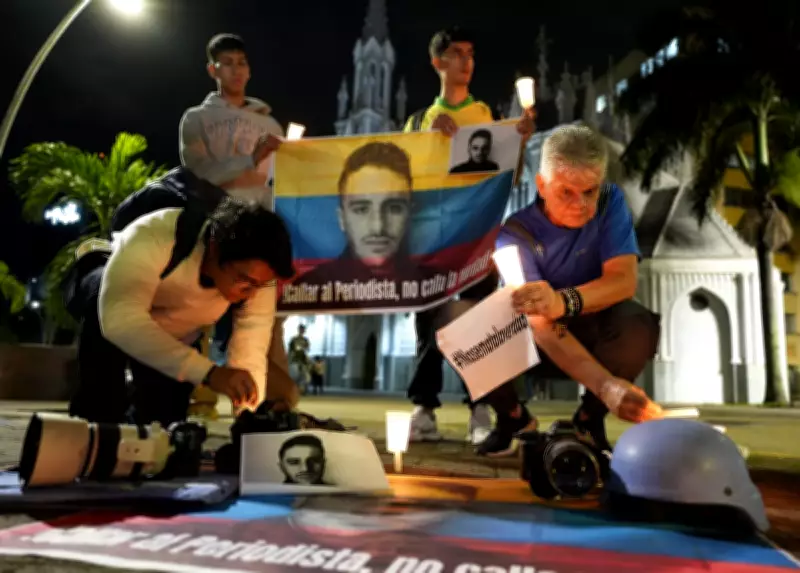
Mateo Pérez Rueda, a 24-year-old political science student and journalist, was kidnapped, tortured, and killed by Farc dissidents while reporting on the conflict in Antioquia province. His death has become a symbol of the surging violence that has made the internal armed conflict central to the election.
Candidates and Their Proposals
President Gustavo Petro, who cannot seek re-election, has backed leftwing senator Iván Cepeda, 63, who leads in polls and champions the "total peace" effort to disarm all criminal groups. However, many security experts consider the plan a failure, as armed factions have exploited ceasefires to expand.

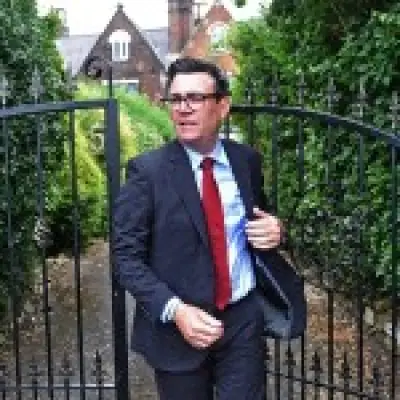
The main challengers, far-right lawyer Abelardo de la Espriella, 47, and rightwing senator Paloma Valencia, 48, promise a return to all-out war. Espriella, an admirer of Donald Trump and Nayib Bukele, vows to build 10 maximum-security "mega-prisons" and adopt an iron-fist approach.
Violence and Its Drivers
During the election period, guerrilla attacks, homicides, kidnappings, and massacres have surged. Last year, senator and presidential hopeful Miguel Uribe Turbay was shot and killed at a campaign event. While the 2016 peace deal with Farc reduced violence, its implementation has been slow, and dissident groups have grown stronger.
Most violence is driven by competition over drug production, illegal mining, logging, and local corruption. In Antioquia, the war never ended, according to Jorge Rueda, Mateo's cousin. Recent clashes between Farc dissident groups in Guaviare left over 50 dead, including forcibly recruited children.
Expert Analysis
Alejandro Chala of Fundación Paz y Reconciliación notes that while violence is high, it is territorially concentrated in areas with illegal economies, unlike the nationwide violence before the peace deal. The homicide rate now stands at about 26 per 100,000, down from a peak of 80.
Uncertain Outcome
With a large share of voters undecided, no candidate has a clear majority, making a runoff likely on 21 June. Espriella has recently overtaken Valencia in polls, but his ties to figures like Álex Saab, a frontman for Venezuela's Maduro regime, may concern Washington. The US has not endorsed any candidate, perhaps learning from past counterproductive interventions.
Despite losing his godson, Jorge Rueda believes Colombia has improved, with better opportunities for youth and falling poverty rates. However, he stresses that neglected regions remain war-torn, and Mateo's death should highlight these forgotten areas.