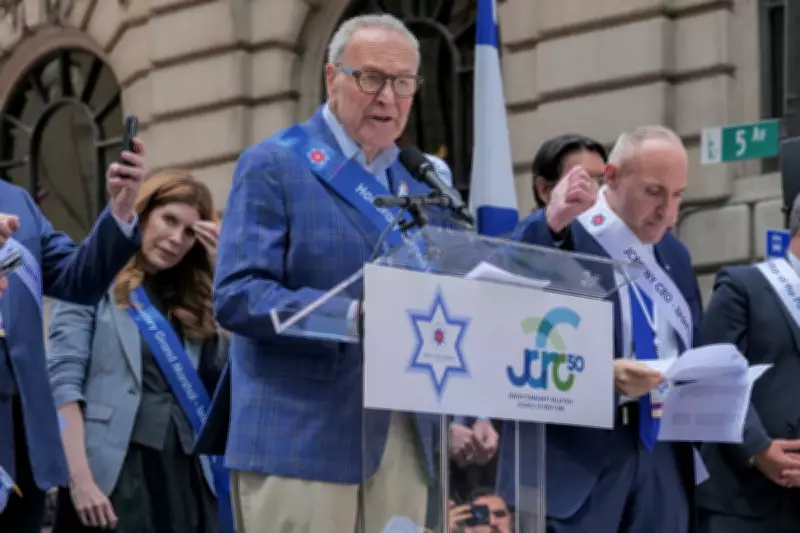
The annual Israel parade in New York City has become a flashpoint for internal Democratic divisions, as progressive members of the party increasingly distance themselves from the event. The parade, which draws thousands of participants each year, is traditionally supported by a broad coalition of Jewish groups and political leaders. However, this year, a growing number of Democrats, particularly those aligned with the progressive wing, have chosen to skip the parade, citing concerns over Israel's policies in Gaza.
Growing Rift Within the Party
The decision by some Democrats to boycott the parade highlights a deepening rift within the party over U.S. support for Israel. Progressive lawmakers have been vocal in their criticism of Israel's military operations in Gaza, calling for a ceasefire and greater accountability for civilian casualties. This stance has put them at odds with more moderate and establishment Democrats, who emphasize the importance of the U.S.-Israel alliance and the need to combat antisemitism.
Progressive Leaders Speak Out
Prominent progressive figures, including members of the "Squad," have publicly stated their reasons for not attending the parade. They argue that participating would send the wrong message in light of the ongoing conflict in Gaza. "We cannot celebrate a government that is engaged in what many consider to be human rights abuses," said one progressive representative. These statements have drawn sharp criticism from pro-Israel groups and some Democratic colleagues, who accuse them of abandoning a key ally.

Impact on Local Politics
The controversy is particularly acute in New York, home to one of the largest Jewish populations outside of Israel. Local Democratic officials are caught in the crossfire, trying to balance support for Israel with the growing influence of the progressive base. Some have chosen to attend the parade while also calling for peace, a delicate balancing act that may not satisfy either side. The issue is expected to play a role in upcoming primaries, as challengers on both the left and center seek to capitalize on the divide.
Broader Implications for the Party
The debate over the Israel parade is part of a larger struggle within the Democratic Party over foreign policy and identity. As the party's progressive wing gains strength, its willingness to challenge long-standing U.S. alliances is creating tensions that could affect electoral outcomes. Meanwhile, Republican opponents are watching closely, ready to use the division to their advantage in future campaigns.
In the end, the parade will go on as scheduled, but the absence of some Democratic leaders will be a visible sign of the party's internal conflict. Whether this rift can be healed before the next election cycle remains an open question.