Tube strikes planned until June could cost London's economy up to £760m altogether, analysis provided to City AM has estimated. Lost working days due to uncertainty over the terms of 24-hour strikes is set to lead to hundreds of millions of pounds in lost income, economists have said.
Cost Breakdown
The Centre for Economics and Business Research (Cebr) found that the combined direct costs of tube strikes taking place this week across some Transport for London (TfL) lines, in May and in June could total between £360m and £760m. The figure excludes indirect costs from reduced consumer spending and increased road congestion, which would in turn add to the hit for Londoners.
Impact on Businesses
A spokesperson for the mayor of London said the strikes were "bad for Londoners", with businesses including pubs and restaurants likely to suffer due to their reliance on commuters making their way into the city. "Most of the tube and TfL services will continue to run throughout this week, but Londoners should check before they travel."

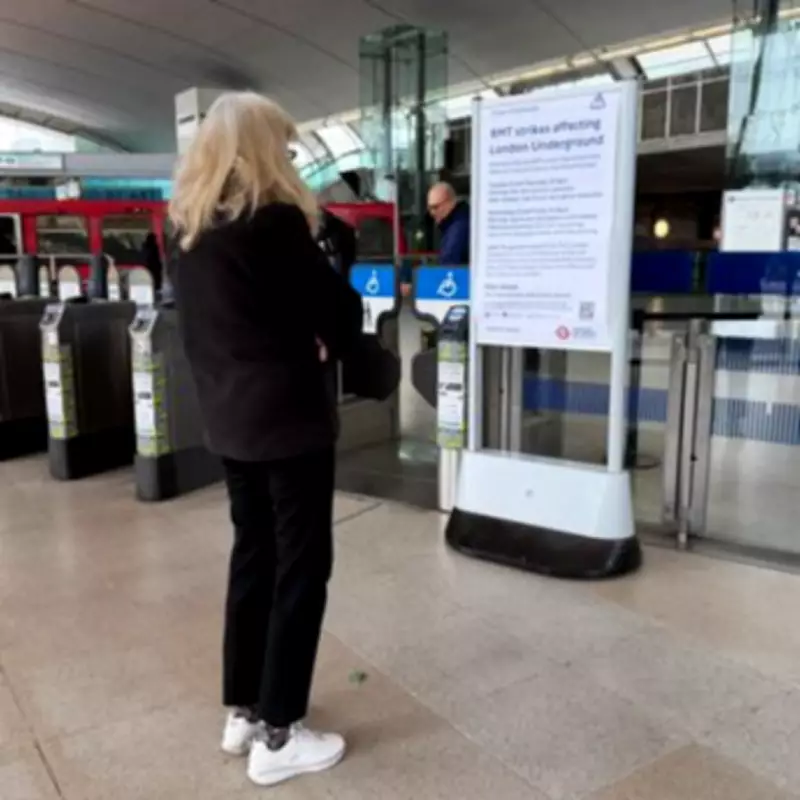
The Circle and Waterloo & City lines are closed while every line except the Victoria line were shown to have severe delays due to part suspensions and reduced services.
Strike Details
The tube strike is being phased through 24-hour disruptions, with workers set to return from midday today before undergoing industrial action between 12pm tomorrow and Friday. Members of the union, RMT, which represents around half of drivers, called in the tube strikes due to their opposition over a proposed change for some TfL staff to work four-day weeks, citing the risk of fatigue. TfL has held that the changes would be "voluntary".
Political Reaction
Susan Hall, the Tory opposition leader in London City Hall, said Cebr's research showed tube strikes were "driving businesses to the wall". "We find ourselves in the midst of a cost of living crisis thanks to Labour's mismanagement of our economy putting thousands out of work," Hall said. "For train drivers – who are on £80,000 a year – to inflict this on people in our city earning significantly less than they do is callous, avoidable, and downright obscene given the national economic picture."
Hospitality Sector Hit
The trade body UKHospitality separately said London's high street store owners can expect to take an almost 40 per cent hit from the strikes, and warned this piles on the existing pressures caused by the Iran war and April tax rises. As much as 38 per cent of zone one pub and bar sales are set to be wiped out by the strikes, while central coffee and sandwich shops are bracing for a 34 per cent sales hit, according to UKHospitality data.
Kate Nicholls, the chair of UKHospitality, said: "Tube strikes have a devastating impact on London's hospitality businesses. Commuter footfall is almost non-existent and families cancel plans to visit the capital. The cost of strikes can stretch into the millions – as we saw when strikes hit the sector a couple of years ago."