Australia's Social Media Ban for Under-16s Faces Major Compliance Issues
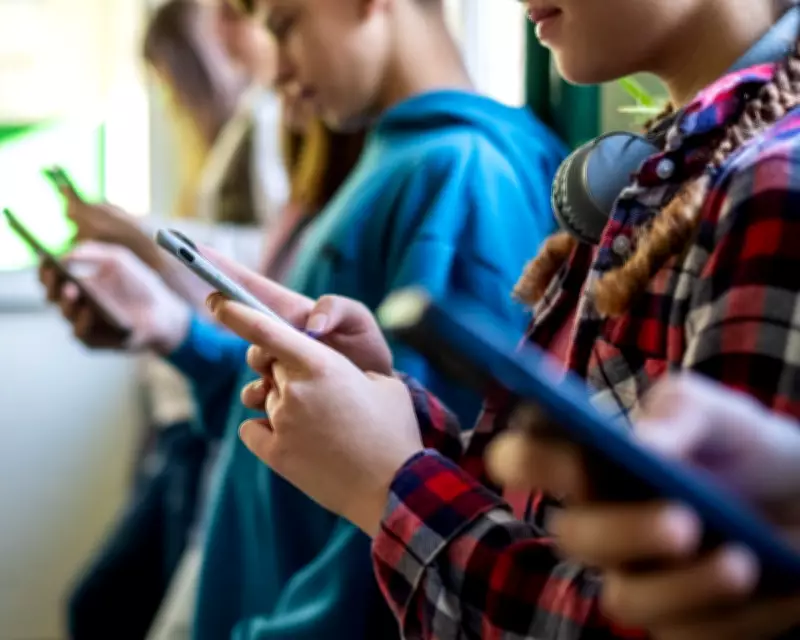
Since Australia implemented a social media ban for users under 16 years old, significant challenges have emerged in enforcing the policy. According to the eSafety commissioner, more than two-thirds of teenagers are still accessing platforms covered by the ban, raising questions about its effectiveness.
Age Verification Technology Falls Short
The ban, which came into effect last year, relies on age assurance technology, including facial age estimation. However, a recent report reveals that children aged 14 or 15 can easily bypass these checks if they are within two years of the 16-year-old threshold. Facial age estimation is known to have higher error rates for this age group, contradicting earlier assurances from age verification companies.
eSafety found that 66% of parents reported that platforms did not ask their children to undergo age verification. In cases where accounts listed ages of 14 or 15, platforms often prompted users to adjust their age via facial recognition rather than deactivating the accounts. Many parents have filed complaints after platforms took no action on reported underage accounts.

Unintended Consequences and Government Response
The ban has led to unintended side effects. For instance, the government's anti-vaping ad campaign targeting teens had to divert some social media ad spend to gaming platforms and audio services like Spotify to reach 14 and 15-year-olds, as many in this demographic continue to use social media despite the ban.
Communications Minister Anika Wells has stated that eSafety should "throw the book at" non-compliant tech platforms, potentially seeking fines of up to A$49.5 million for breaches. However, she did not specify a timeline for such actions, amid ongoing high court challenges from Reddit and a digital rights group questioning the ban's validity.
Safety Features Lost for Bypassing Teens
Platforms had previously designed safety features and parental controls specifically for teenagers. Since the ban, teens who bypass age checks no longer receive these minimal safety protections, as their accounts appear to belong to older users. This raises concerns about increased online risks for this vulnerable group.
Other countries considering similar bans should note these issues. Australia has positioned itself as a leader, with over a dozen nations following its lead, but the effectiveness remains in doubt. eSafety has commissioned a study surveying 4,000 teens and parents, though participation in app tracking for accurate data has been low, with only 273 opting in.
As the situation unfolds, it highlights the complexities of regulating social media access for minors and the need for robust, enforceable solutions that prioritize safety without compromising privacy or accessibility.