

Woman Delivers Baby During Flight, Citizenship Status in Question
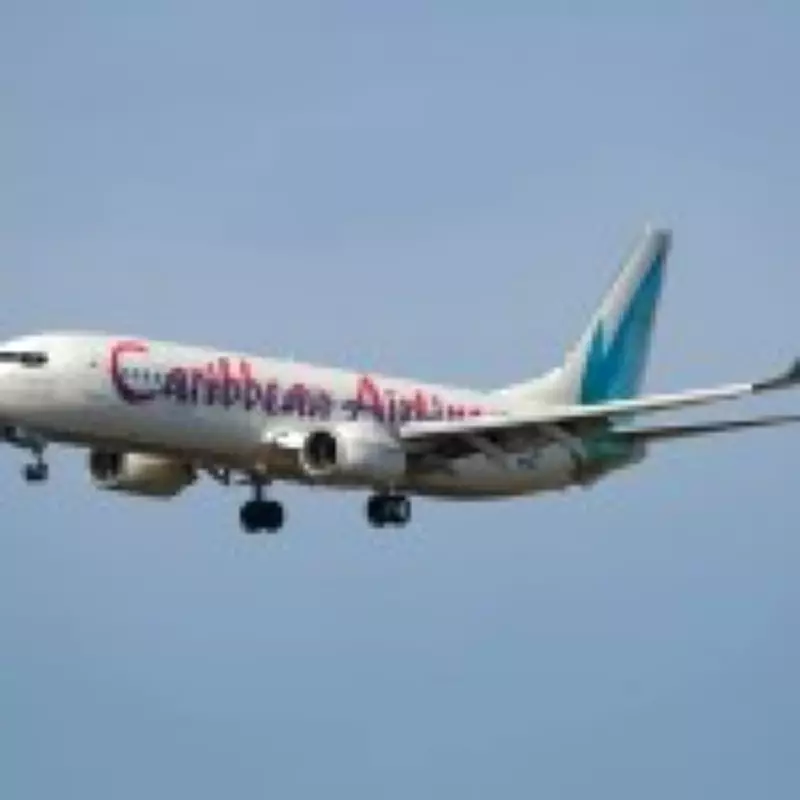
An unnamed passenger gave birth while aboard a Caribbean Airlines flight from Kingston, Jamaica, to New York City, triggering a significant debate over the newborn's right to US citizenship. The incident occurred near the US east coast, with the pilot alerting John F. Kennedy Airport to the unfolding emergency.
In-Flight Emergency and Professional Response
During the approach to JFK, the pilot communicated the situation to air traffic control, stating, 'We have a passenger, a pregnant passenger, who is going into labour at this time.' The air traffic controller responded calmly, inquiring if medical teams would be needed upon arrival. In a lighthearted moment, one controller joked that the baby should be named after the airport, saying, 'Tell her she's got to name it Kennedy.' No emergency was declared, and Caribbean Airlines praised its crew's professionalism in handling the event according to established procedures.
Legal Complexities of Birthright Citizenship
Immigration lawyer Brad Bernstein highlighted that the baby's citizenship hinges on the precise location of the aircraft at the time of birth. He explained, 'If the baby was born in US airspace, then under the 14th Amendment and State Department regulations, that child is automatically a US citizen. But if the baby was born just a few minutes earlier outside the United States airspace, not a US citizen.' This issue gains added relevance amid ongoing legal challenges, as former President Donald Trump's efforts to restrict birthright citizenship for children of non-citizens are currently under Supreme Court review.

Rarity of In-Flight Births and Airline Policies
Births during flights are exceptionally rare, with only 74 recorded cases between 1929 and 2018, according to the US National Library of Medicine. While the passenger's gestational stage remains unknown, most airlines, including Caribbean Airlines, enforce strict policies: pregnant travelers typically need a fit-to-fly certificate from 28 weeks, with Caribbean Airlines allowing travel without clearance until 32 weeks and banning it after 35 weeks.
Broader Context of Birth Tourism
This incident touches on the phenomenon of birth tourism, where women travel to the US to secure citizenship for their children. The US is among approximately 30 countries, primarily in the Americas, that grant unconditional citizenship based on birthplace. Estimates suggest up to 26,000 babies are born to tourists on US soil annually, often involving wealthy parents from countries like Russia and China. In contrast, the UK and most European nations do not offer birthright citizenship, requiring parents to apply for legal residency beyond tourist visas.
In a related event last year, a Ryanair flight from Brussels to Spain saw a woman, believed to be 37 weeks pregnant, go into labor after reporting discomfort. These cases underscore the unpredictable nature of air travel and the intricate legal frameworks governing nationality and immigration.






