Greek Authorities Charge Smugglers Following Deadly Mediterranean Crossing
Two Sudanese men have been ordered to appear before a court on the Greek island of Crete, accused of orchestrating a smuggling operation that led to the deaths of at least 22 people. The victims were allegedly thrown overboard during a perilous six-day journey from Libya to Greece, according to survivor testimonies provided to the Greek coastguard.
Survivors Describe Systematic Throwing of Bodies into Sea
Greek police have revealed that 26 people, including a woman and a child who survived the harrowing 200-nautical-mile journey from Tobruk in eastern Libya, described how 22 of their fellow passengers were thrown into the Mediterranean Sea. The survivors reported that the smugglers lost their way, leaving the boat adrift for six days in severe weather conditions without food or water. During this time, those who perished were systematically thrown overboard on the orders of one of the smugglers.
The Greek coastguard stated that based on survivor accounts, the boat departed Tobruk on March 21, bound for Greece—a common gateway for those seeking asylum in the European Union. "During the journey, the passengers lost their bearings and remained at sea for six days without food or water," the coastguard reported. "The bodies of those who died were thrown into the sea on the orders of one of the smugglers."

Legal Proceedings and Investigation Details
The two alleged smugglers, aged 19 and 21, appeared before a magistrate in Heraklion, the Cretan capital, on Saturday. Greek authorities have given them 48 hours to prepare testimony before an investigating magistrate on Monday. They face charges of involuntary manslaughter and facilitating illegal entry into Greece.
"They will appear before a prosecutor on charges of involuntary manslaughter after attempting to facilitate the illegal entry into Greece of scores of people," an official stated. "A grave tragedy has occurred." The men are under investigation for both illegal entry into the country and negligent homicide.
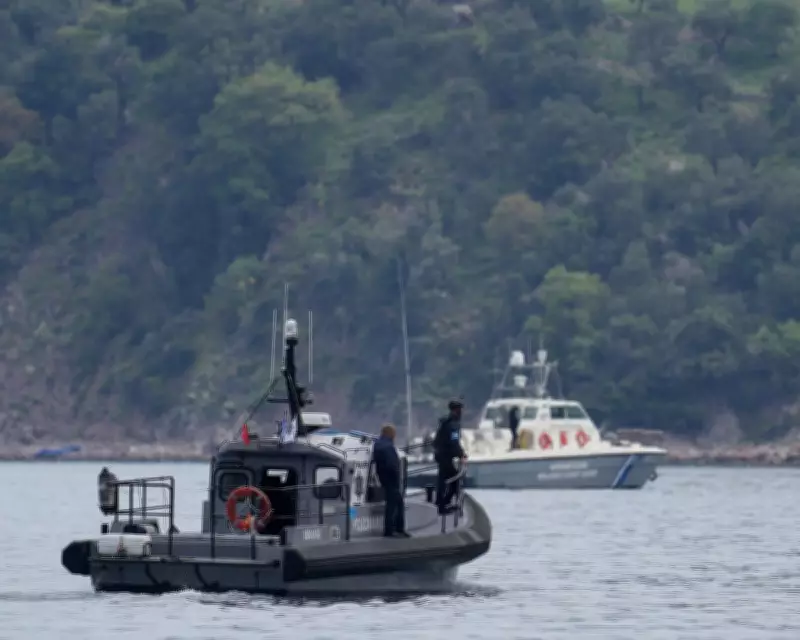
The vessel carrying the group was located 53 nautical miles south of Ierapetra, a town on southern Crete. A coastguard spokesperson told AFP that the craft endured "unfavourable meteorological conditions" during their journey, which combined with severe shortages of food and water "led to the deaths through exhaustion of 22 people."
Broader Context of Mediterranean Migration Crisis
This incident occurs against a backdrop of increasing fatalities in Mediterranean migration routes. According to the EU border agency Frontex, the number of people who have died trying to reach European soil by crossing the Mediterranean from north Africa more than doubled in the first two months of 2026 compared with the same period last year.
Data from the International Organization for Migration shows 559 deaths during January and February 2026, compared with 287 for the same period in 2025. This tragic event follows another deadly incident in December when 17 people were found dead inside their boat southwest of Crete, with Greek authorities recovering only two survivors.
In response to the ongoing crisis, the European Parliament recently endorsed a major tightening of EU migration policy, approving the concept of "return hubs" designed to send those attempting to reach Europe to non-EU third countries. Rights groups have criticized these proposals as inhumane, highlighting the complex ethical and practical challenges surrounding migration policy.
The Greek coastguard confirmed that two survivors were taken to hospital in Heraklion for treatment following their ordeal. The search and rescue operation involved multiple coastguard vessels working to locate survivors and recover evidence from the capsized boat that was carrying people trying to reach Europe.