

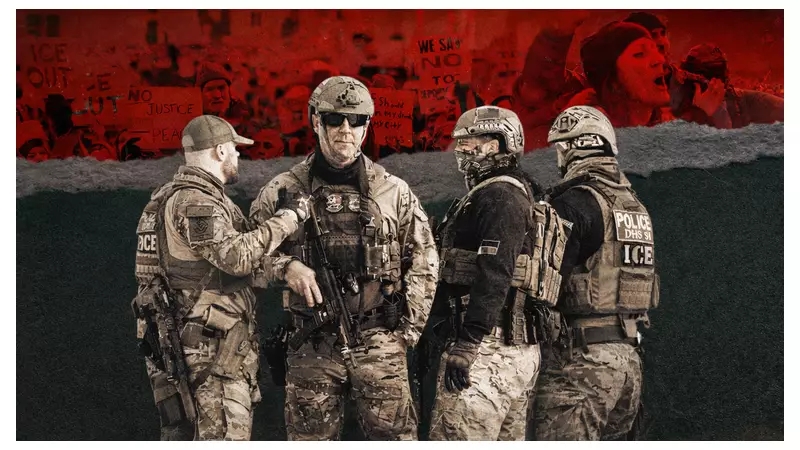
The fatal shooting of a 37-year-old woman by a US Immigration and Customs Enforcement (ICE) agent in Minneapolis has dramatically escalated political tensions, casting a spotlight on a major federal operation in the city. The incident occurred against a backdrop of the deployment of approximately 2,000 ICE agents to Minnesota's largest city in recent weeks, an action that has drawn fierce condemnation from local leaders.
A Disputed Narrative and a City on Edge
Renee Nicole Good, a poet and mother of three, was shot in her vehicle on Wednesday. The Department of Homeland Security (DHS) stated the agent acted in "self-defence" after Ms Good allegedly attempted to run over an officer during an immigration-related operation. US President Donald Trump publicly supported this version of events.
However, this account has been vehemently rejected by Minnesota's Democratic leadership. Governor Tim Walz and Minneapolis Mayor Jacob Frey have squarely blamed the Trump administration for provoking unrest. Mayor Frey's response was particularly stark, telling federal officers to "get the f*** out" of his city.

Why Were Thousands of ICE Agents in Minneapolis?
The massive influx of federal agents, which began on 5 January 2026, was billed by Homeland Security as the "largest DHS operation ever." Its stated aim was to target individuals accused of serious crimes, including fraud, murder, and gang activity.
This enforcement surge followed allegations from a right-wing online influencer accusing several Somali-run childcare facilities in Minnesota of welfare fraud. In response, the Trump administration moved to freeze all federal childcare payments to the state, which receives $185 million annually in such funds.
State investigations found the facilities were operating normally, but the federal operation proceeded. Minnesota is home to the largest Somali population in the US, a community that has repeatedly faced derogatory criticism from President Trump.
Broader Context: A Sanctuary City Under Pressure
The shooting took place just a mile from where George Floyd was murdered in 2020, a location synonymous with national protests against racism and policing. Minneapolis, like the wider state of Minnesota, is considered a sanctuary jurisdiction.
Such jurisdictions limit cooperation with federal immigration enforcement, a policy the Trump administration has actively sought to punish. Last year, the Department of Justice published a list of these areas, claiming they put citizens at risk, and an executive order enabled the suspension of federal grants.
The immediate aftermath of the shooting has seen:
- Protests erupt in Minneapolis and other major US cities including New York and Seattle.
- Minneapolis Public Schools cancelling classes for the rest of the week due to safety concerns.
- An ongoing FBI investigation into the shooting, even as Homeland Security Secretary Kristi Noem insisted ICE operations will continue.
This event marks a critical flashpoint, deepening the rift between a Democratic-led state and the federal government over immigration enforcement and the use of federal force within American cities.






