

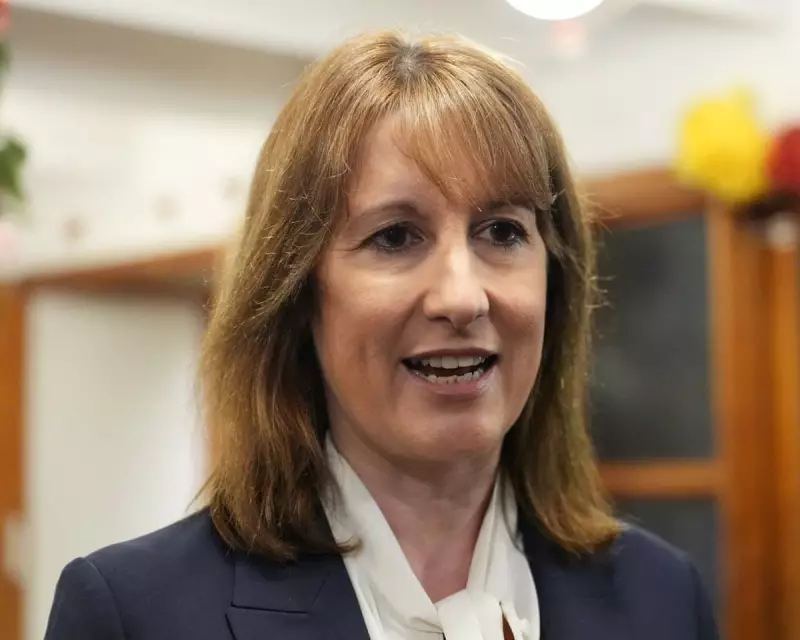
Chancellor Rachel Reeves has stated she is "pretty relaxed" about the specific format of digital identification used to prove an individual's right to work in the UK, following criticism of a perceived policy reversal.
Policy Shift on Mandatory Digital ID
The government has rolled back a central element of its digital ID card scheme, announced by Prime Minister Keir Starmer in September. The original plan mandated that all working-age people use a digital ID card to prove their legal right to work, a measure aimed at tackling illegal working.
Under the adjusted policy, this requirement will no longer be tied to a single, specific card. Instead, individuals will be able to use a range of verified digital documents, such as an e-visa or an e-passport, to satisfy the check. The only planned compulsory element of the digital ID system was for proving the right to work, meaning the overall scheme is now effectively voluntary for most purposes.

Reeves Insists Focus is on Solving the Problem
Speaking to BBC Breakfast, Rachel Reeves clarified the government's position. "We are saying that you will need mandatory digital ID to be able to work in the UK," she said. "Now the difference is whether that has to be one piece of ID, a digital ID card, or whether it could be an e-visa or an e-passport, and we're pretty relaxed about what form that takes."
She emphasised that the core objective remained addressing illegal work. "I don't think most people minded whether it was one piece of digital ID or a form of digital ID that can be verified. But the point is, we're trying to address a problem," Reeves added.
Criticism and the 'U-Turn' Accusation
While government officials insist the change is a mere "tweak" ahead of a detailed consultation, it has been widely viewed as another in a series of policy adjustments. Former Labour Home Secretary Lord Blunkett criticised the move, attributing it to a failure of strategic communication.
"The original announcement was not followed by a narrative or supportive statement or any kind of strategic plan," Blunkett told BBC Radio 4's Today programme. He argued this allowed opponents to mobilise public opinion against the scheme. "Very sadly it's an indication of failure not to be able to enunciate why this policy mattered."
When challenged that such backtracking shakes public and parliamentary confidence, Reeves defended the government's direction. "The key thing is where you're trying to go. Our government, this government, our focus is on growing the economy and improving living standards for working people."
The revised approach means the public will still need to verify their identity digitally through a process yet to be finalised, but it can be done with existing documents. The government hopes this will maintain the border security benefits cited by Starmer—who called digital ID an "enormous opportunity" to make it "tougher to work illegally"—while avoiding the controversy of a fully compulsory ID system.






