

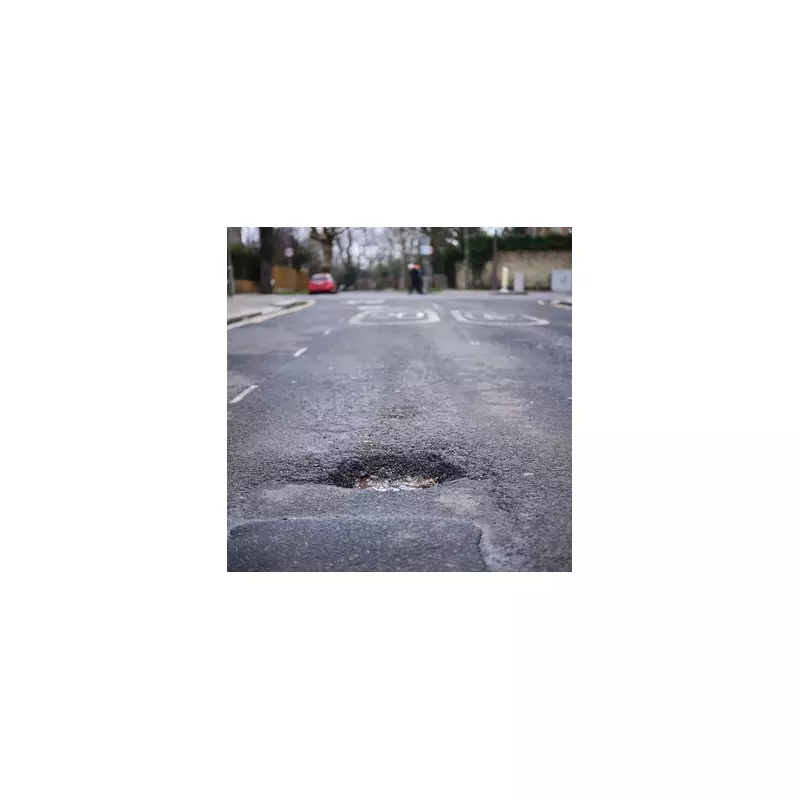
A newly published interactive map has singled out eight London boroughs for having the worst-maintained roads in the country, based on their failure to tackle potholes effectively.
London Dominates 'Red' Rating List for Pothole Response
The Department for Transport has issued new performance ratings for every local authority in England for 2026, grading them green, amber, or red for their management of road defects. The capital fared particularly poorly, with eight out of the eleven councils across England given the lowest 'red' rating being London boroughs.
Upon releasing the damning report, Transport Secretary Heidi Alexander stated that drivers have "paid the price" for years of deteriorating road surfaces. She simultaneously announced a major funding commitment, with £7.3 billion allocated for road maintenance across England over the coming year.

The Best and Worst Performing Boroughs
The eight London councils handed a 'red' rating for their pothole response are:
- Bromley
- Kensington and Chelsea
- Kingston upon Thames
- Merton
- Richmond upon Thames
- Sutton
- Waltham Forest
- Wandsworth
Furthermore, Kensington and Chelsea, Waltham Forest, and Greenwich Council also received a red rating for the overall condition of their roads. Greenwich Council has publicly challenged the report's findings. Councillor Calum O'Byrne argued that the borough had raised concerns about the government's methodology, noting the data did not reflect a planned £8 million investment in roads and pavements over the next five years, nor spending on winter gritting, street lighting, and bridges.
In contrast, three London authorities were among only 25 nationwide to receive a top 'green' rating for their pothole management. The report praised Bexley, Hillingdon, and Hounslow, along with Transport for London, for making the most progress in addressing the issue over the past year.
Government Demands Accountability and Improvement
Heidi Alexander emphasised that the record funding settlement must now be used wisely by local authorities. "We’ve put our money where our mouth is," she said. "Now it’s over to them to spend the money wisely, and for the first time, we are making sure the public can see how well councils are doing."
The Transport Secretary argued that this unprecedented level of investment is designed to save motorists money on vehicle repairs, improve road safety, and help restore pride in local communities. The publication of the interactive map is a clear move to increase transparency and hold underperforming councils to public account.






