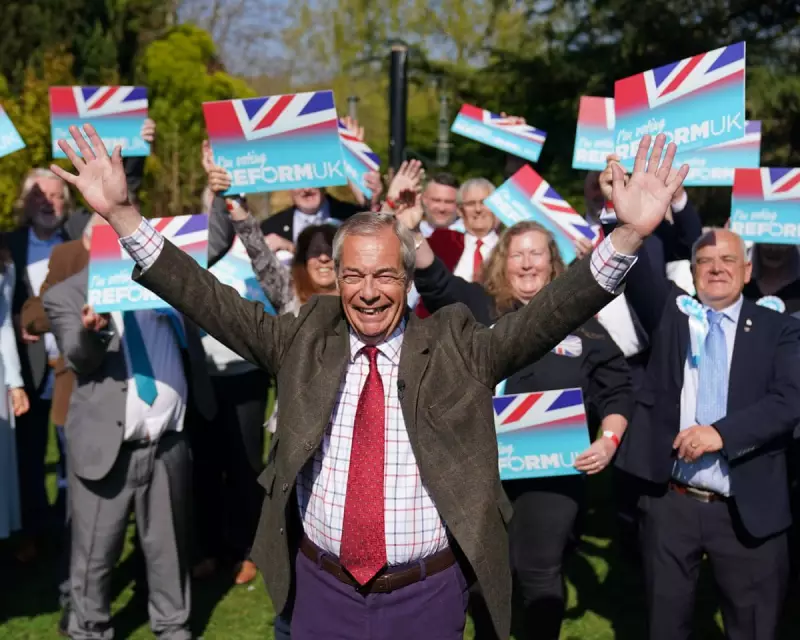
Reform UK is facing accusations of 'empty rhetoric' after several councils where it holds power confirmed plans to increase council tax by the maximum allowed amount, directly contradicting promises made during last year's local election campaigns.
From Pledges to Proposed Hikes
Derbyshire County Council, where Reform UK has a majority, has confirmed it intends to raise council tax by 5% for the coming financial year. The authority cites a predicted £38 million budget gap, driven by overspends in critical areas like children's and adult social care, as the primary reason.
This move mirrors announcements from three other councils where Reform is the largest party: North Northamptonshire, West Northamptonshire, and Leicestershire county councils. Leaders at Reform-led authorities in Lancashire, Kent, and Warwickshire have also not ruled out similar 5% increases.

The proposed rise in Derbyshire is expected to generate around £29 million, but will coincide with a new round of cuts worth £22 million. The council's budget report blames inflation, rising demand, and the government's new funding formula for the pressures.
Opposition Condemns 'Worthless' Promises
The proposed tax increase has drawn fierce criticism from opposition councillors who point to Reform's campaign material. During the May local elections, leaflets distributed in Derbyshire prominently pledged to 'cut your taxes' and criticised rising bills amid service cuts.
Conservative opposition leader in Derbyshire, Alex Dale, stated: "It is now painfully clear that Reform's promise to 'cut your taxes'... was nothing more than empty rhetoric. Residents were sold a simple slogan, but the reality is that those promises were as worthless as the paper they were printed on."
Gez Kinsella, leader of the Green group, added that the party had promised to "cut taxes and improve services," calling their "'moon on a stick' promises" as unrealistic as the previous Conservative administration's plans.
National Pledges vs Local Reality
In response to the criticism, Reform UK has stated that it never promised to freeze or reduce council tax during the local election campaign. The party claims any tax reduction pledges were in relation to national policy, not local authority finances.
However, this defence is challenged by statements from its own councillors. In Leicestershire, council leader Dan Harrison declared after the May elections that the party would be able to "cut council tax." By November, he conceded that a freeze was only an "aspiration" and unlikely to be achievable.
All councils are legally required to set a balanced budget. Derbyshire's proposed £838 million budget for the upcoming year still relies on using reserves to cover ongoing pressures, a move the authority admits is "not financially sustainable" in the long term.
The final council tax proposals are due to be approved by local authorities in late February or early March.