

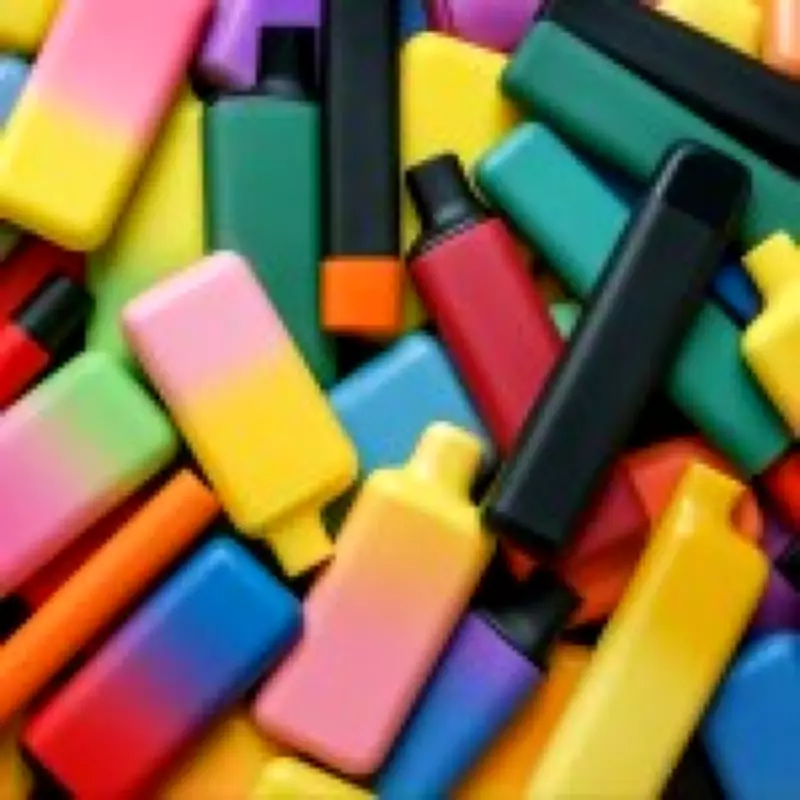
They once littered pavements and filled the air with sickly flavored fumes, but banned British vapes are now getting a second life—powering vital devices for frontline defenders in Ukraine. Since the UK government outlawed single-use vapes a year ago, volunteers in a Lviv workshop have been repurposing thousands of discarded e-cigarettes into battlefield power sources.
Ingenuity in Ukraine's Fightback
Innovation is at the heart of Ukraine's resistance against the ongoing Russian invasion. While cutting-edge drone technology has drawn global admiration, numerous smaller-scale projects have emerged to support ordinary soldiers. Many are run by relatives of those risking their lives, but others are organized by an unofficial army of foreign volunteers from the UK, Europe, the US, and beyond. These individuals donate their time, funds, and skills to support Ukraine's fight for freedom.
One such volunteer is Ben Hoerber, 35, from Florida. A former teacher, he felt compelled to help. "It makes more sense to be here helping than to pretend everything is normal in the world," he says. Ben uses lithium batteries from vapes to create power banks for frontline soldiers, often used in combat zone trenches. "Energy is like food and water on the frontlines—it's essential for powering the equipment that keeps you alive," he explains, having arrived in Ukraine in 2023.

Before the ban, over five million single-use vapes were thrown away weekly in the UK. In 2022, about 40 tonnes of lithium from disposable vapes were discarded—enough to power 5,000 electric vehicles. This untapped energy source is now being put to better use than piling up in landfills.
How the Vapes Are Transformed
"The banned vapes are valuable because they contain rechargeable lithium-ion batteries, even though the device lacks a charging port and is meant to be thrown away," Ben explains. "We designed a way to put enough batteries together for a power bank, using 50 vape power cells for one bank." The process involves cracking open vape cases, extracting batteries, and quality-checking them with a homemade testing system. "We might use a small saw if extracting is tricky, but generally all you need is pliers and safety glasses," he adds.
Battery cells are soldered together, wires are attached to a chip, and the assembly is installed into a 3D-printed box embossed with the Tryzub symbol—a Ukrainian emblem of resistance. The final product is tested and glued shut. Requests for power banks come via volunteers connected to frontline units or directly from soldiers, with Ukrainian volunteer groups handling logistics.
One power bank can charge two devices simultaneously, such as phones, radios, drone batteries, or anti-drone detectors. The charge lasts several days before needing a recharge. "The power banks are saving lives because soldiers don’t have to run back frequently to recharge equipment, which potentially draws fire. The guys are always very grateful. One group charged their drone antenna system with our bank and sent us a picture—that was exciting!" Ben says.
The Workshop and Volunteer Community
The transformation takes place in an unassuming workshop outside Lviv's historic center. Lviv, a UNESCO World Heritage site just 70 km from the Polish border, boasts a stunning opera house, fabulous restaurants, and lively café culture. It attracts a thriving volunteer community united in their desire to help Ukraine. Ben bases himself in Lviv due to the ready supply of helping hands.
"On a good day, we have around eight to ten volunteers in the workshop, usually from Europe and the US. It takes about 15 minutes to teach someone what we do. I show them how to solder and review their work until it’s up to scratch. It takes a new person about four hours to make one power bank, down to maybe two hours when you’re skilled. But we have a manufacturing process with one person doing a single aspect repetitively, so they get skilled. The UK vapes are great as they’re all the same design, which makes processing them easier," Ben explains.

Last month, the team produced 80 power banks but hopes to increase to 100 or 120 per month. Regular volunteer Anca Marin helps process vapes and also plays a crucial role in shipping them from the UK. "A Ukrainian friend introduced me to Viacheslav Semeniuk at Leeds Ukrainian Community Association, after I read about him using vape batteries to make power banks. I processed a first batch of vapes for them. After that, I was given about 10,000 vapes for Ben’s project. I cut the vapes, remove the batteries, and secure them for transport. Of course, I also recycle the packaging as much as possible," she says.
Shipping vapes to Ukraine presents challenges. "Batteries not in original packaging can be flammable, so you can’t use regular postal services. They are also quite heavy. So, I found a person who does regular humanitarian aid trips to Ukraine, so I drop them off with that person to be driven to Ukraine," Anca explains.
Costs and Funding
While volunteers work for free, production costs remain. "We have to buy the electronic chip—it’s about $1.50. Overall, it costs about $5 for the materials to make one power bank. But a similar 20,000 milliamp-hour power bank would cost close to $50 here in Ukraine," Ben notes. Additional expenses include workshop rent ($1,000 per month) and energy costs ($400 per month). Setup equipment, like the 3D printer, came from Ben's own pocket.
Funding largely comes from donations via Ben's YouTube channel. His organization, Florida Man For Ukraine Incorporated—a nod to his home state and the "Florida Man" internet meme—has just gained US non-profit charitable status, making it tax-exempt and eligible for grants.
Personal Journey and Future Plans
Ben left his teaching career to care for his mother in Florida for six years, working evenings as a bartender to save money. After her death, he planned a European trip in his van. "But when the full-scale invasion happened, that changed because I wanted to help Ukraine. I learned the language online before coming, but had no other connections. I started out doing humanitarian runs in my van, then I met people and things went on from there," he recalls.
He began making power banks in 2025 after working on other projects. So far, about 6,000 UK vapes have been shipped to Lviv, with several thousand more to come. New ideas are always flowing, often over coffee in Lviv's chic cafes, where Ben scribbles ideas in his journal. He also enjoys working out, yoga, and having a beer in the city's stylish bars.
Next, he plans to use hoverboards to create a ground drone for moving supplies to the front, reducing soldiers' risk. He also wants to use e-bike batteries in power banks. "I’m always planning for bigger things," he says. "We had a solar panel donated, so we just set up our first solar station in a settlement for people displaced by Russia’s invasion. I want to expand production to make more items and better quality ones. I’d love to open up another studio and have more volunteers come to help. More donations would be very useful too!"
Can he ever see himself returning to Florida? "My future is in Ukraine. What’s happening here affects us all; thinking it has no bearing on you is shortsighted. So, this is our time to do something about it. As long as the war is happening, my workshop will be open."





