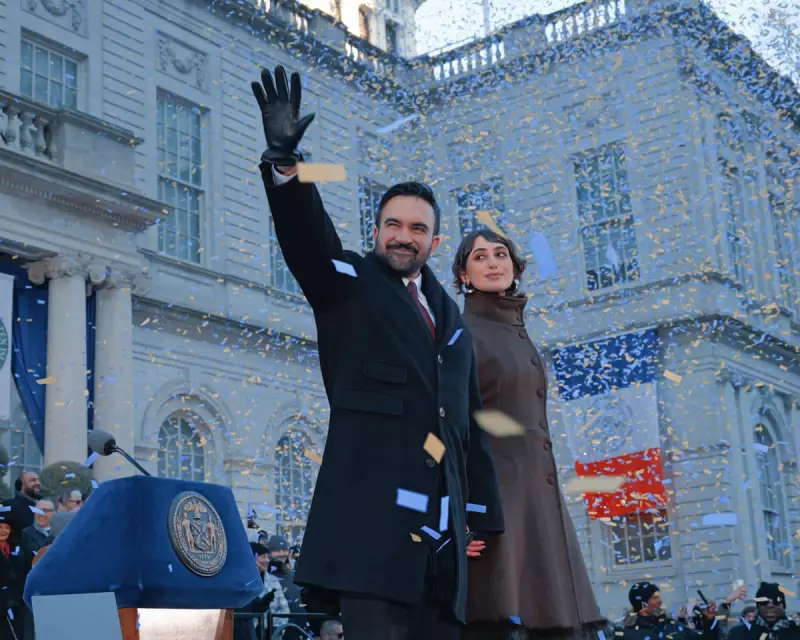
The political landscape of New York City has been irrevocably altered with the historic swearing-in of its new mayor, Zohran Mamdani. At a ceremony on 1 January, attended by his wife, Rama Duwaji, Mamdani assumed office amidst a wave of expectation, becoming a symbol of a potentially transformative progressive movement in the heart of American power.
A Mayor of Historic Firsts and Progressive Ambition
Mamdani's election is a catalogue of milestones. He is the first Muslim, first south Asian, and first African-born mayor of New York. At his young age, he is also the youngest mayor of the United States' largest metropolis in over a century, having secured an electoral mandate not seen since the 1960s. Politically, his platform positions him as the most leftwing leader of the city since the era of Fiorello La Guardia in the mid-20th century.
His inaugural promise to "govern expansively and audaciously" sets the tone for an administration with ambitions that stretch far beyond city limits. The success or failure of his agenda is seen as a high-stakes test case for progressive politics globally, with the potential to influence the direction of the left in an age of populist challenges.

The Core Agenda: Making New York Affordable
Central to Mamdani's vision is his pledge to create "a city we can afford." This is not merely a slogan but a policy programme built on substantial intervention. Key pledges that powered his campaign include:
- Introducing free universal childcare.
- Dramatically expanding the stock of cheaper, affordable housing.
- Actively reducing the everyday cost of living for residents.
To fund this civic renewal, Mamdani has restated his commitment to raising taxes on the very wealthy and on corporations. This politics of redistribution has proven potent, assembling a broad coalition from young renters and union members to migrants and the professional middle class.
Broader Implications and Forthcoming Challenges
The resonance of Mamdani's affordability-focused campaign is being closely watched. While New York's unique status as a global financial and cultural hub makes it a special case, similar messaging has boosted Democrats in states like New Jersey and Virginia. In Europe, centre-left parties have found traction by relentlessly focusing on material concerns, as seen in the Dutch election success of the D66 party, which highlighted housing shortages.
Mamdani's team, including his budget head Sherif Soliman, frames the mission as building a city livable for "low-wage workers, be it in retail or healthcare" as much as for Wall Street elites. This represents a conscious effort to forge a new working-class politics for the left, countering the populist right's appeal.
However, formidable headwinds await. Mamdani must navigate federal funding negotiations with a hostile Donald Trump and overcome opposition to his proposed tax rises, even from within his own party, such as from New York Governor Kathy Hochul. The political courage he has shown suggests a capacity for the fight, but in an era where blue-collar voters continue to drift rightwards, the stakes for his progressive model of civic renewal and inclusion could not be higher.