Prince Harry has launched his most significant legal battle yet against the British press, as a landmark trial accusing the publisher of the Daily Mail of historical privacy breaches opened at the High Court. The Duke of Sussex was joined by a group of high-profile co-claimants, including Sir Elton John, David Furnish, and Elizabeth Hurley, in a case that could have profound implications for media practices in the UK.
The Allegations: A 'Systemic' Culture of Unlawful Gathering
The claimants allege that Associated Newspapers Limited (ANL), the publisher of the Daily Mail and Mail on Sunday, engaged in a sustained campaign of unlawful information gathering spanning years. Their legal team told the court that stories were fuelled by information obtained through phone hacking, the deceptive practice of "blagging" private records, and even the planting of listening devices in homes and cars.
The barrister for the group asserted there was a "clear, systemic and sustained" culture of illegality within the newspaper group. He claimed ANL was fully aware of these activities and that there were significant "skeletons in the closet" yet to be exposed.

For Prince Harry, the claim focuses on 14 articles published between 2001 and 2013, many detailing his past relationship with Chelsy Davy. He contends this intrusion caused him severe distress, fostering deep distrust and paranoia.
Day One: Battle Lines Drawn in a 'Super Case'
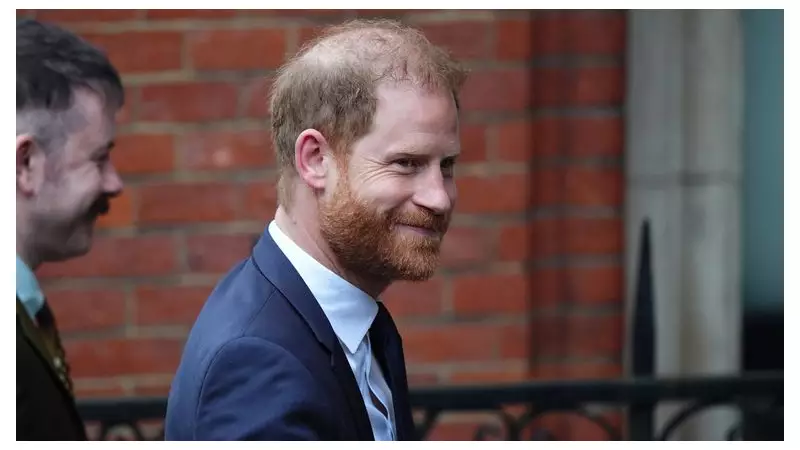
On Monday 19 January 2026, the first day of what many are calling the 'super case' of the year, Prince Harry arrived at the Royal Courts of Justice, smiling and waving to cameras. He spent the day listening intently in Court 76, appearing upbeat despite the gravity of the proceedings.
This nine-week trial represents Harry's final major legal challenge against the British tabloid press, following previous victories and settlements with the publishers of the Daily Mirror and The Sun. The Duke has described reforming the media landscape as his life's work, and this case pitches him directly against one of Fleet Street's most formidable figures, former Daily Mail editor Paul Dacre.
ANL vehemently denies all allegations, insisting its journalism was properly sourced through legitimate means. The publisher's defence suggests that stories about Prince Harry often originated from his own circle of friends.
High Stakes for Reputations and Media Freedom
The stakes in this trial are exceptionally high for all parties involved. For the claimants, it is a quest for accountability and a final attempt to expose what they believe are the "dark arts" of newspaper journalism. For ANL, its reputation and defence of its reporting practices are on the line.
With all claimants, including Prince Harry, due to give evidence in person, the trial promises to be a detailed and closely watched examination of press ethics and privacy law. The outcome could set a powerful precedent for future cases involving public figures and the boundaries of investigative journalism.
As the case continues, it underscores Prince Harry's ongoing personal crusade against certain sections of the media—a crusade that has now reached its most dramatic and potentially definitive chapter in a London courtroom.