The nation fell silent in a powerful display of collective remembrance as King Charles III led the annual Remembrance Sunday service at the Cenotaph in Whitehall. The solemn ceremony brought together the royal family, senior politicians, and thousands of veterans to honour those who made the ultimate sacrifice in conflicts spanning from the First World War to the present day.
A Royal and Political Gathering
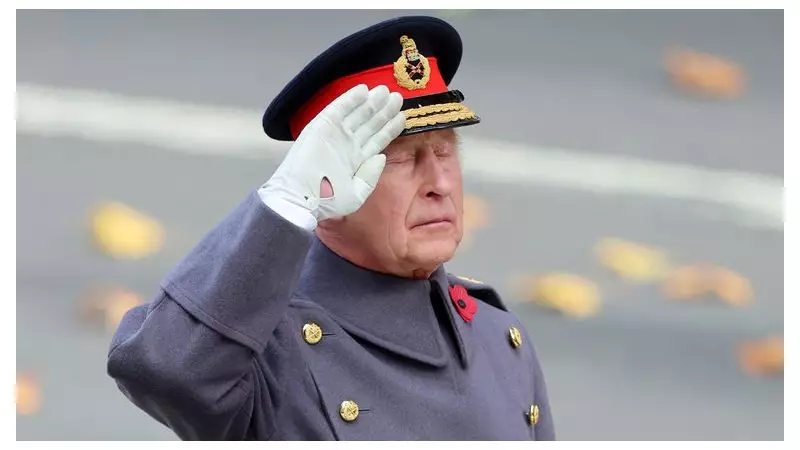
King Charles, wearing his Field Marshal uniform – the army's highest rank – laid the first wreath at the iconic war memorial. Following a poignant two-minute silence observed across the country, His Majesty saluted the fallen before withdrawing from the monument.
The Prince of Wales, dressed in his Royal Air Force uniform as a Wing Commander, followed his father in laying a wreath and offering a salute. From a balcony overlooking the Cenotaph, the Princess of Wales and Queen Camilla, both dressed in black, watched the proceedings alongside other members of the royal family.

In a remarkable show of unity, eight former prime ministers stood together near the Cenotaph – John Major, Tony Blair, Gordon Brown, David Cameron, Theresa May, Boris Johnson, Liz Truss and Rishi Sunak. Current Prime Minister Keir Starmer laid a floral tribute, speaking afterwards about the "extraordinary courage" of UK armed forces.
Veterans Honoured Amid Emotional Scenes
The arrival of Second World War veterans prompted heartfelt applause from crowds lining Whitehall. Among the 20 Second World War veterans participating were approximately three D-Day veterans, marking 80 years since the conflict ended in 1945.
About a dozen veterans in military uniforms and poppies were pushed in wheelchairs along Whitehall as applause rang out near the Cenotaph, with one veteran saluting the crowds. The emotional scenes underscored the enduring significance of the annual commemoration.
Donald Poole, a 101-year-old Royal Army Ordnance Corps technician who served in India in 1945, was among those marching. He reflected: "It is a great honour to be able to pay tribute to the poor souls who have died in all conflicts, and I know how lucky I am to still be here thanks to all those who have fought and served, past and present."
Nationwide Commemorations
While London hosted the central ceremony, commemorations extended across the United Kingdom. In Edinburgh, Scotland's First Minister John Swinney laid a wreath at the Stone of Remembrance outside the City Chambers.
The scale of participation was significant, with 10,000 armed forces members joining the Royal British Legion's annual march past. The gathering included remarkable individuals like Sid Machin, one of the last surviving Chindit special forces soldiers from the Burma campaign, who found himself behind enemy lines in a glider at just 19 years old.
Prime Minister Starmer captured the national sentiment, stating: "This Remembrance Sunday, we pause as a nation to honour all those who have served our country. We reflect on the extraordinary courage of our armed forces in the world wars and subsequent conflicts, whose service secured the freedoms we cherish today."
The ceremony concluded with Chelsea Pensioners marching past the Cenotaph, bringing to a close another powerful chapter in Britain's ongoing commitment to remembering its fallen heroes.