The 1976 bicentennial celebrations were marked by a sense of relief and renewal following the Watergate scandal, but the current 250th anniversary reflects deep political divisions, historians say.
1976: A Cathartic Celebration
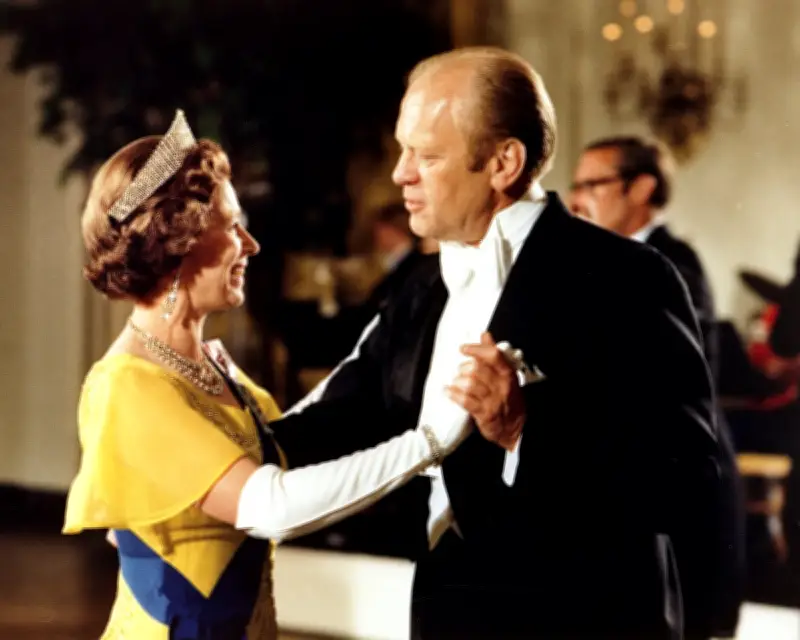
President Gerald Ford's 1974 inaugural speech, declaring "our long national nightmare is over," set the tone for the bicentennial. The event featured the tall ships parade in New York Harbor, state visits from Queen Elizabeth II and French President Valéry Giscard d'Estaing, and Ford's 4 July speech emphasizing government as "a necessary good."
Historian Jonathan Alter noted that "the 1976 celebration was a more vital and happy one because of a broad belief that two years earlier the system had worked." The mood was captured by Jimmy Breslin's book How The Good Guys Finally Won, about Congress and the courts holding Nixon accountable.

Nixon's Attempt to Control the Bicentennial
Initially, President Richard Nixon sought to micromanage the bicentennial, similar to Trump's approach to the 250th. He reorganized the American Revolution Bicentennial Commission to appoint allies, but critics alleged corruption, coining the term "buycentennial." Amid Watergate, Congress replaced the commission with a body supporting local, decentralized events.
Historian MJ Rymsza-Pawlowska said, "There is a really easy comparison... both administrations micromanaged and tried to exercise tremendous control over a kind of top-down patriotic commemoration."
Grassroots Celebrations vs. Top-Down Spectacle
The 1976 bicentennial fostered participatory events like local picnics and museum visits, allowing Americans to "find their meaning." In contrast, the 250th under Trump is seen as a centralized spectacle. Rymsza-Pawlowska noted, "What we're seeing right now... represents an administration that has been compounding power and influence."
Alex Haley's Roots, a critical exploration of slavery, was published to acclaim in 1976, reflecting the era's pluralism.
Economic Challenges Then and Now
Despite the political unity, the 1970s faced economic stagnation from the 1973 oil shock, with inflation and unemployment. Historian James Robenalt said, "There was uncertainty and unhappiness about the economy, as opposed to the political situation." He added that comparing the two eras is "like night and day," with today's political opponents seen as enemies.
Historical Parallels
Former ambassador David McKean draws parallels to 1926, when the 150th anniversary saw 15,000 Ku Klux Klan members march in Washington, amid nativism and inequality after the Spanish flu. He noted, "Democracy is under siege, but I think we've seen that before."
The 1876 centenary included Custer's Last Stand and a disputed election leading to Jim Crow laws. McKean concluded, "We didn't really have a full-fledged democracy during that period, and we made progress in the 1960s and 70s, and now I think we're seeing a lot of that rolled back."