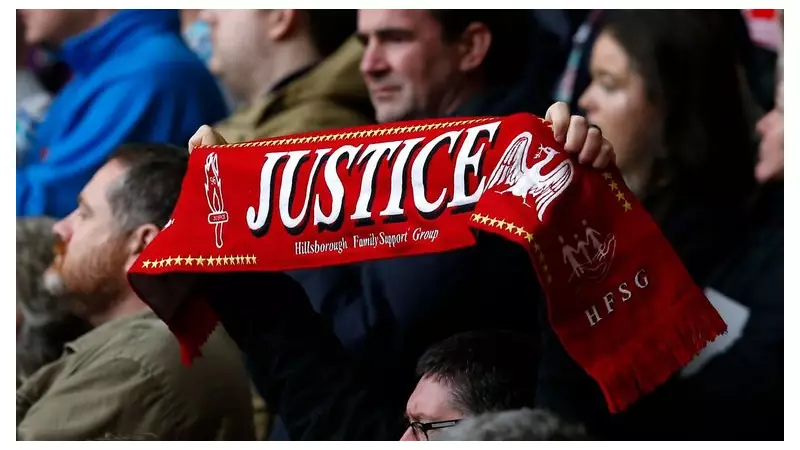
The government has performed a dramatic U-turn, withdrawing a contentious amendment to its proposed Hillsborough Law after a fierce backlash from campaigners and cross-party MPs who warned it would let intelligence agencies conceal serious errors.
Amendment withdrawn amid security service concerns
Ministers had planned for the Public Office (Accountability) Bill to undergo its report stage and third reading in the House of Commons on Monday 19 January 2026. However, they pulled the entire legislation from the day's agenda after initially intending to push forward with a controversial change.
The withdrawn amendment would have brought spies and intelligence agencies within the scope of the new law, which aims to impose a legal 'duty of candour' on public officials. Crucially, it stipulated that officers would only be forced to tell the truth if the head of their service approved it.

Campaign group Hillsborough Law Now argued this created a dangerous loophole, allowing services to "hide serious failures behind a vague claim of national security". The group's concerns were echoed by prominent figures including Liverpool City Region mayor Steve Rotheram and Greater Manchester mayor Andy Burnham.
Cross-party pressure forces government rethink
The proposed change sparked immediate condemnation. Liverpool West Derby MP Ian Byrne stated he could not support the bill with the "security service carve-outs" intact, and had tabled his own amendments to ensure the duty applied without exception.
Facing this mounting pressure, the government backtracked. A government spokesperson said the legislation would "right the wrongs of the past" and ensure the state "can never hide from the people it should serve". They added, however, that national security could never be compromised.
The bill, inspired by the long fight for justice by Hillsborough families, is designed to prevent cover-ups in disasters like the 1989 stadium tragedy, the Grenfell Tower fire, and the infected blood scandal.
What happens next for the Hillsborough Law?
The government has now committed to working with campaigners and bereaved families to bring forward revised amendments when the bill reaches the House of Lords. This collaborative approach was welcomed by Hillsborough Law Now, which posted on X that it would engage to ensure the bill "fully applies to the security services whilst not jeopardising national security".
Sky News' deputy political editor Sam Coates reported that one figure close to the talks described the chaotic situation as "absolutely mental". The episode highlights the sensitive balance between enforcing transparency in public office and protecting national security interests.