

A newly announced diplomatic working group between the United States, Denmark, and Greenland has stumbled at the very first hurdle, following contradictory statements from Washington and Copenhagen about its fundamental purpose.
Conflicting Visions for the Dialogue
The initiative was unveiled on Wednesday, 14 January 2026, after meetings in Washington between US Vice-President JD Vance, Secretary of State Marco Rubio, and the foreign ministers of Denmark and Greenland. The channel was presented as a forum to discuss "fundamental" disagreements concerning the future of the vast Arctic island.
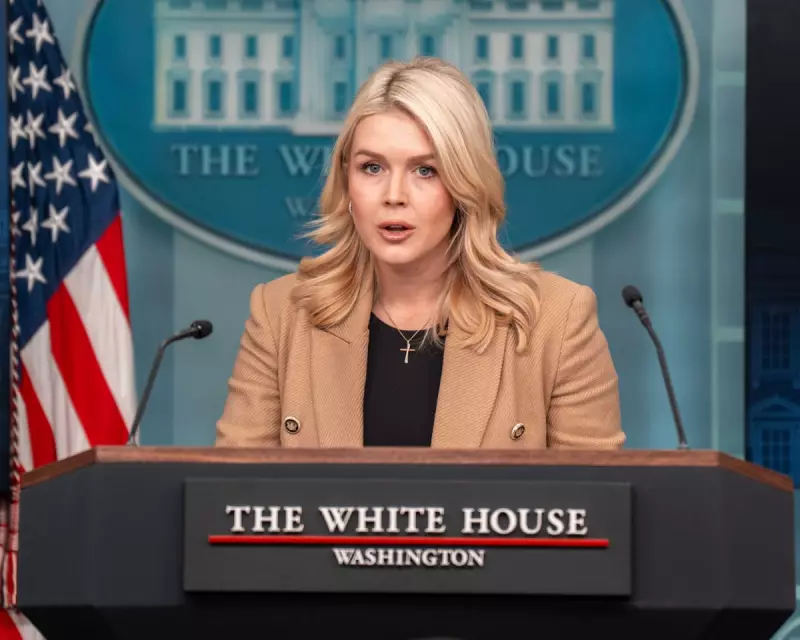
However, the apparent consensus shattered within hours. Karoline Leavitt, press secretary for former and now current President Donald Trump, asserted that the group was established for "technical talks on the acquisition of Greenland." This blunt framing directly challenges Danish sovereignty and triggered an immediate and firm rebuttal.

Denmark Draws a Firm Red Line
Danish Foreign Minister Lars Løkke Rasmussen was swift to deny the US characterisation. In a statement to Danish broadcaster TV2, he reiterated Denmark's unwavering position on territorial integrity. Rasmussen pointedly warned that if the American delegation approached the table with the mindset of discussing a purchase, it would be "a very, very short series of meetings."
The stark divergence in public statements casts a shadow over the working group before its substantive discussions have even begun, highlighting the deep-seated tensions at the heart of the issue.
Diplomatic Tensions Come to Copenhagen
The controversy forms an awkward backdrop for a concurrent visit to Copenhagen by a delegation of US parliamentarians. The group is scheduled for talks on Friday, 16 January, with senior Danish and Greenlandic officials, including Foreign Minister Rasmussen.
As they arrive at the Danish parliament, the Folketing, the US delegates will be greeted by a potent symbol: the Greenlandic flag flying above the building. The visual statement underscores Greenland's distinct identity within the Kingdom of Denmark. It is considered highly likely that Leavitt's controversial comments will be a central topic during the discussions.
This rocky start underscores the significant diplomatic challenges ahead. The working group, intended to manage disagreements, now first must overcome a profound dispute about its own raison d'être. The episode signals that any US ambitions regarding Greenland's status will meet with formidable and immediate resistance from Copenhagen and Nuuk.






