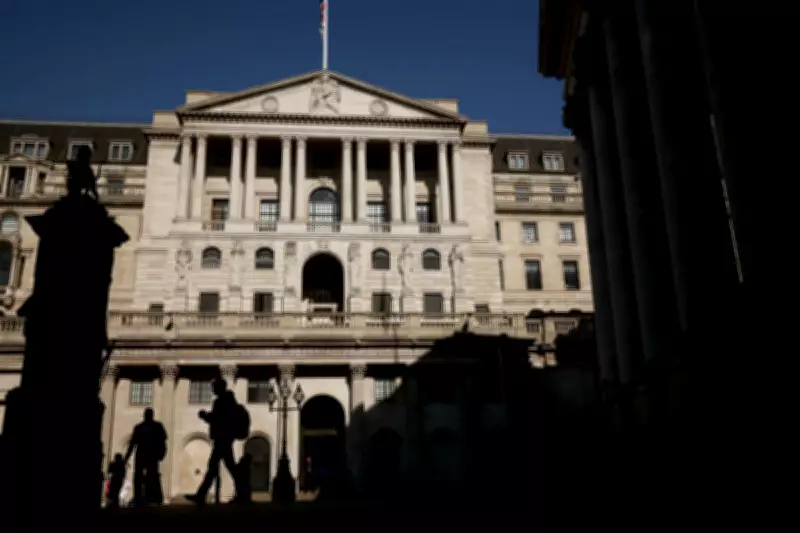
The Bank of England has warned that the ongoing conflict in Iran could lead to significant price rises across the UK economy. A recent survey by the central bank reveals that businesses anticipate a decline in employment and expect inflation to reach four percent over the next year, as tensions mount over spiraling wage and price growth.
Stagflation Fears Intensify
The Bank's latest Decision Maker Panel, which surveys business owners on price expectations, has fueled concerns that the UK economy is heading toward a prolonged period of stagflation. Firms surveyed indicated that year-ahead consumer price index (CPI) inflation stood at four percent in April, the highest level since January 2024. This marks a significant increase from the three percent reading recorded in the previous month.
Businesses also reported plans to reduce employment slightly, while sales growth is expected to narrow over the coming year. The employment reading was slightly better than in March, which some analysts described as a surprise. Wage growth expectations edged up to 3.5 percent from 3.4 percent in the previous month.

Impact 'Felt Immediately'
The survey results will be closely analyzed by Bank of England interest rate-setters, who are monitoring changes in Britons' expectations about prices and growth. Key data points include wage and price expectations, as the Monetary Policy Committee's (MPC) next few decisions could hinge on predictions about second-round effects. Some economists fear that higher price rises may push employees to demand higher wages, further fueling inflation as costs are passed on to consumers. This behavioral effect was a key factor in the surge of inflation to a high of 11 percent after Russia's full-scale invasion of Ukraine.
Rob Wood, chief UK economist at Pantheon Macroeconomics, noted that the latest data would prompt the MPC to focus more on surging inflation than weakening growth. "Any doves on the Committee will likely have to dial back their arguments in the face of this data, while hawkish members may feel they have seen enough to push for a hike now, or enough to signal that they will do so in June," Wood said.
The Bank's researchers stated that the Middle East war had eroded confidence built earlier this year, as firms had previously believed interest rates would drop. The summary of business conditions found little evidence that the war had swayed pay settlement plans, despite some fears that higher inflation could push companies to offer larger pay packets. Agents at the Bank commented: "The impact on fuel and transport costs is being felt immediately. Food price inflation is likely to rise through the year. Impacts elsewhere will take longer and depend on how the balance plays out between higher costs and lower demand."