

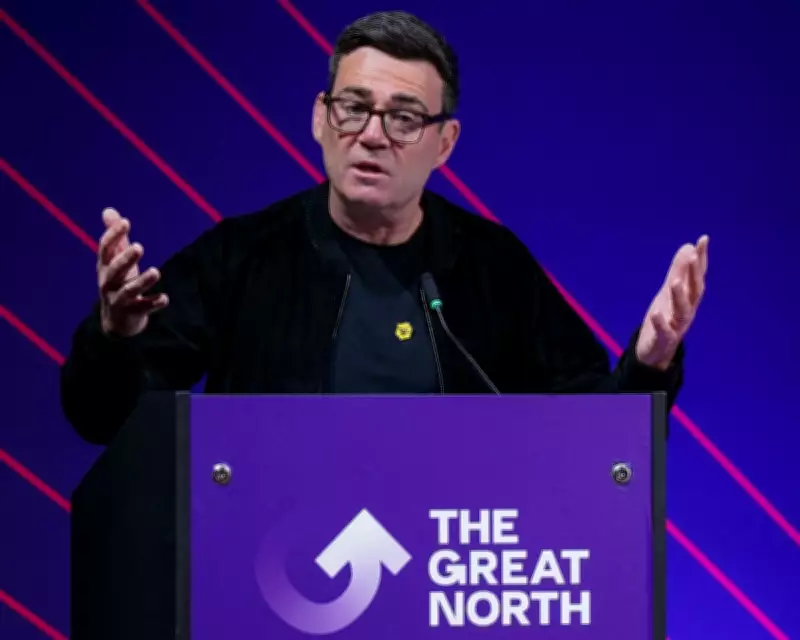
Andy Burnham, the Mayor of Greater Manchester, has been dubbed the 'Manchester Messiah' as he emerges as a figure who could potentially fix the broken state of Westminster politics. His success in Manchester, particularly in areas such as transport, housing, and public health, has positioned him as a beacon of hope for those disillusioned with national politics.
Burnham's Rise to Prominence
Burnham's tenure as mayor has been marked by a series of popular policies, including the introduction of a London-style bus system, efforts to tackle homelessness, and a strong stance on public health. His ability to deliver tangible results has earned him widespread praise, even from political opponents. Many now see him as a potential future Labour leader, capable of bridging the divide between the party's traditional base and modern voters.
National Implications
The 'Manchester Messiah' label reflects a growing belief that Burnham's approach could be replicated at a national level. His focus on devolution and local empowerment has resonated with voters who feel alienated from Westminster. Political analysts suggest that Burnham's model of governance could provide a blueprint for revitalising the Labour Party and addressing the UK's political malaise.

- Transport reforms: Burnham has overseen the introduction of a franchised bus network, improving services and reducing fares.
- Housing initiatives: His administration has committed to building thousands of affordable homes, tackling the housing crisis.
- Public health: Burnham has been a vocal advocate for public health measures, including sugar taxes and improved air quality.
However, some critics argue that Burnham's success is partly due to the unique circumstances of Manchester, and that replicating it nationally would be challenging. Others question whether his brand of centrist politics can appeal to the entire country, particularly in the wake of Brexit and ongoing economic challenges.
Future Prospects
Despite the scepticism, Burnham's popularity continues to grow. A recent poll showed that he is the most popular Labour figure among the general public, ahead of current leader Sir Keir Starmer. This has led to speculation that Burnham could be the party's best hope for returning to power. Whether he will choose to make a bid for the leadership remains to be seen, but his influence on the national political landscape is already significant.
As Westminster grapples with issues of trust and effectiveness, the 'Manchester Messiah' offers a tantalising glimpse of what could be achieved with strong, localised leadership. The question now is whether the rest of the country is ready to embrace his vision.






