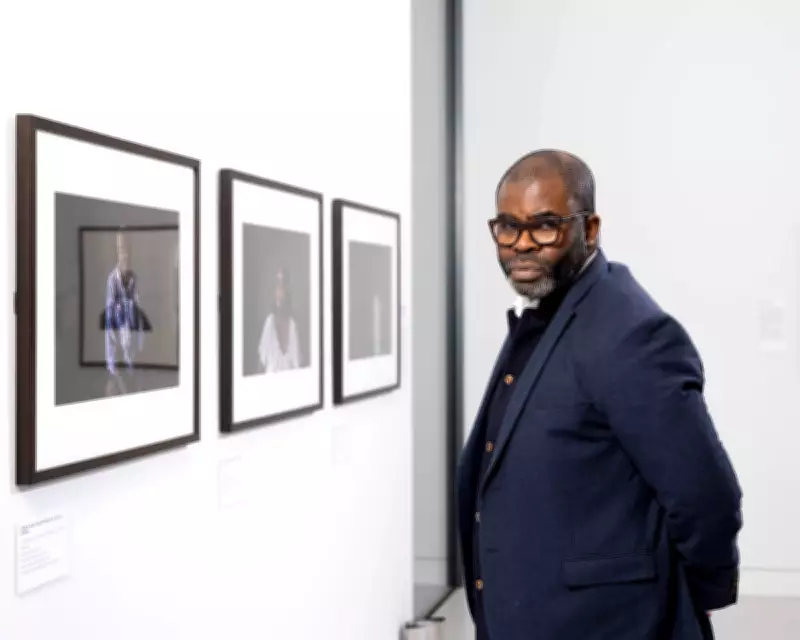
Afua Hirsch writes that the campaign to oust Misan Harriman, chair of London's Southbank Centre, represents a broader assault on black figures in British public life. She draws parallels between this effort and the far-right tactics of Tommy Robinson, who once told her she was "all right" because she speaks English, a comment she found deeply offensive.
The Campaign Against Harriman
Harriman, an Oscar-nominated director and photographer, became the first black man to shoot the cover of British Vogue. His images of Black Lives Matter protests went viral, and he has photographed Holocaust survivors. Despite his achievements, a group of rightwing commentators have called for his removal from the Southbank Centre, citing his lack of expertise in classical music and his friendship with the Duke and Duchess of Sussex. The Telegraph described him as a "Nigerian born British photographer" and "pro Palestinian arts boss."
Harriman is also the son of a billionaire, a fact frequently highlighted by his critics. Lord Roberts of Belgravia, a historian and rightwing figure, endorsed criticism of Harriman, despite his own privileged background. Hirsch notes that Roberts has opposed efforts by the National Trust to acknowledge slavery and colonialism, calling such measures "foul."

Accusations of Antisemitism
Harriman's detractors have attempted to conflate his critique of Israel with antisemitism. They alleged that he compared Reform UK's electoral success to the Holocaust, but Hirsch clarifies that Harriman was quoting philosopher Susan Sontag. Similarly, claims that he shared a conspiracy theory about the Golders Green attacks are false; Harriman expressed solidarity with the Jewish community and questioned why a Muslim victim of the same attacker was not given equal prominence in media coverage.
Hirsch argues that this reflects a zero-sum game in British media between recognising Jewish and Muslim victims. Amnesty International denounced the smear campaign, stating that pitting one community's trauma against another weakens safety for everyone. A campaign supporting a complaint to the Independent Press Standards Organisation about the Telegraph's coverage has gained over 100,000 signatures.
Broader Implications
Hirsch concludes that the campaign against Harriman sends a forbidding message about who is considered fit to lead in UK culture. She links it to the far-right march by Tommy Robinson, noting that violent Islamophobia is not a priority for the British establishment. The Voice, Britain's oldest black newspaper, called it "reputational warfare." The message is clear: black figures in positions of power can be removed if they step out of line.