

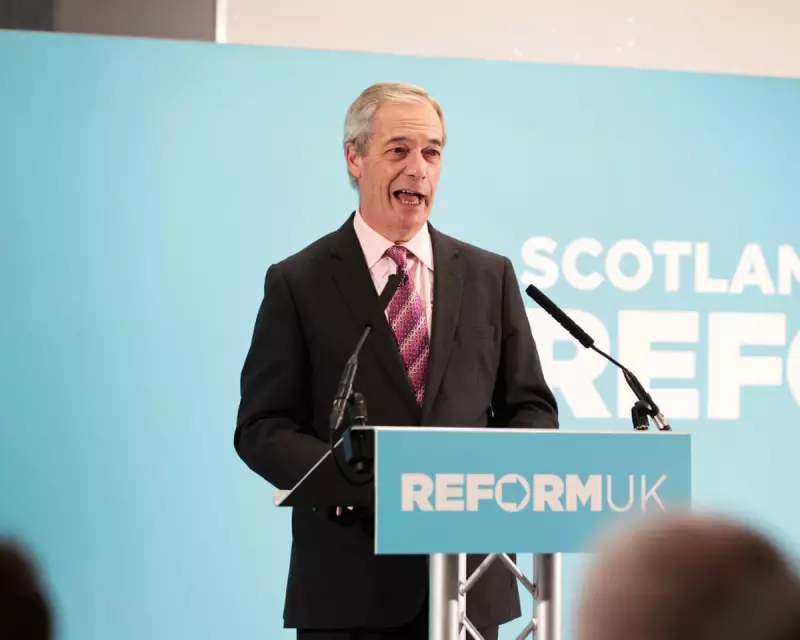
In a striking reversal, Nigel Farage, the prominent Brexiteer and leader of Reform UK, is set to attend the World Economic Forum in Davos this week, an event he has spent years lambasting as a hub for 'globalist' elites.
A History of Vocal Opposition
For years, Farage has derided the annual gathering in the Swiss Alps. He has consistently portrayed it as a conspiratorial meeting where a smug elite, intent on eroding national sovereignty, makes decisions far removed from ordinary people. In 2023, he used the forum to attack Labour leader Keir Starmer, labelling him a 'full-on globalist, hanging out with his mates at the WEF'.
His rhetoric has often been fierce. In a 2020 video, he claimed Davos was where decisions were made to 'bow down to the European Union', with 'people deciding our futures in Swiss ski resorts'. He argued the event left 'no space for the little man, no space for the nation state'. This stance has, in the past, drawn criticism from groups like the Board of Deputies of British Jews, which suggested some of his language veered close to antisemitic conspiracy theories about global bankers – a charge Farage rejects.

The Pragmatic Pivot to Networking
Despite this history, Farage's attendance marks a pragmatic shift. With his party tipped as a potential force in the next UK government, the networking opportunities at Davos are undeniable. The event attracts world leaders, central bankers, and major financiers. This year's attendees also include Labour's shadow chancellor, Rachel Reeves, highlighting the forum's cross-political appeal for those in or near power.
His deputy, Richard Tice, confirmed the move on Sunday, framing it as a chance for Farage to advocate for British interests. A key aim is to speak with former US President Donald Trump, who is also attending. Tice stated the intention is for Farage to express concerns over potential US tariffs threatening the UK and European nations, linked to reported US efforts regarding Greenland.
The Trump Exception and Future Implications
Farage's attendance is less contradictory when considering his consistent admiration for Donald Trump's approach to Davos. In 2018, he praised Trump's 'superb' performance at the forum, celebrating the then-president's boastful, media-bashing speech as a display of leadership that inspired confidence.
This week's trip signals a new chapter for Farage, transitioning from an outside critic to a potential insider seeking influence on the global stage. While he continues to frame his mission as defending the nation state, his presence at the quintessential 'globalist' conference underscores the complex realities of modern political ambition. The question now is whether his message will change now that he is inside the room he so long condemned.






