

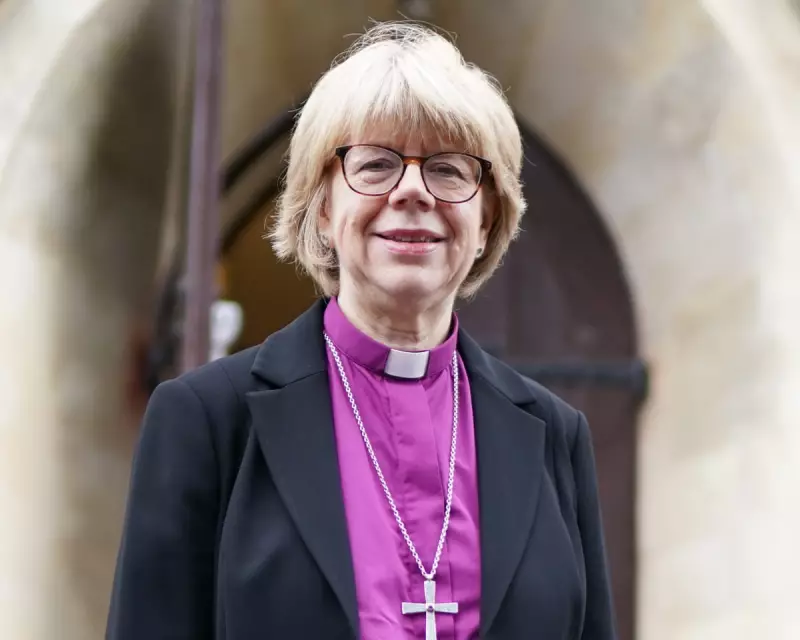
The Church of England has dismissed a formal complaint concerning the incoming Archbishop of Canterbury, Sarah Mullally, and her handling of a historical abuse allegation. The decision clears a significant hurdle for Bishop Mullally, who is scheduled to assume the leadership of the Anglican Communion on 28 January.
Review Finds No Grounds for Action
The complaint was reviewed by the Archbishop of York, Stephen Cottrell, who announced on Thursday that he had determined to take no further action. The complaint, known as a Clergy Discipline Measure (CDM), was originally filed against Mullally in 2020.
It related to her handling of an allegation made by a man referred to as Survivor N. He claimed that abuse, which began in 2014, was reported to the Diocese of London. After he made a formal complaint in 2019, he alleged that Mullally, who became Bishop of London in 2018, breached confidentiality by sending an email about the allegation to the priest involved.

Survivor N told media that the diocese's handling of his complaint left him feeling suicidal. However, the Diocese of London has stated that proper processes were followed and that there is no outstanding complaint against Mullally.
Process Errors and Appeal Rights
Officials at Lambeth Palace acknowledged that a complaint about Mullally's handling was made in 2020 but was not followed up due to "administrative errors and an incorrect assumption about the individual’s wishes". In a statement last year, Mullally herself said it was clear the 2020 complaint "was not properly dealt with" and that she was seeking assurances about improved processes.
Archbishop Cottrell's office confirmed that the complainant retains the right, under church law, to request an independent review of the dismissal. Survivor N now has 14 days in which to lodge an appeal with the president of tribunals.
Criticism and Calls for a Pause
The decision has not quelled criticism within the church. The appointment of Cottrell to assess the complaint was itself contentious, as he faced calls to resign last year over his handling of a separate safeguarding case.
Robert Thompson, an Anglican vicar and General Synod member in the London diocese, has called for a pause to Mullally's installation. He argued that Cottrell's adjudication lacked credibility and that the dismissal does not resolve deeper issues.
"The dismissal of this CDM complaint by the Archbishop of York may close a case on paper, but it does not close the trust deficit," Thompson said. He warned it reinforces perceptions of an opaque, internally controlled system that fails survivors and the public.
Thompson urged the church to recognise that "procedural closure is not the same as accountability" and that rebuilding trust requires independent oversight and a willingness to confront uncomfortable truths.
The controversy emerges as Mullally prepares to succeed Justin Welby, who resigned following criticism of his management of a separate safeguarding scandal.






